Why Most Logistics Software Fails at Brazilian Transport Compliance

Brazil's IPI tax cuts of up to 30 percent on manufactured products and the $8 billion investment in road cargo fleets sound like great news for logistics operators. But here's what nobody's talking about: these incentives come with strings attached. Real-time tracking requirements. Digital reporting mandates. Verifiable transport data at every checkpoint.
Most logistics software wasn't built for this.
The Compliance Infrastructure Gap
Global platforms like Magaya handle cross-border shipments and customs documentation beautifully. They're designed for freight forwarders managing air and ocean cargo across multiple regulatory environments. But Brazilian road transport? That's a different animal entirely.
The recent push toward regulation as infrastructure is reshaping what compliance actually means. It's no longer about filing paperwork after the fact. Brazilian authorities now expect continuous digital verification, not monthly reports.
This creates a problem. Software built for traditional logistics assumes you can separate operations from compliance. In Brazil, they're the same thing.
What Brazilian Transport Law Actually Requires
The compliance burden breaks down into three layers that most systems handle poorly:
Documentation flow covers CTe (electronic transport knowledge), MDFe (electronic manifest), and CIOT (transport operation registration). Each document must sync with federal, state, and municipal systems in real time. Miss a timestamp, face a fine.
Tax integration means your transport software needs to talk directly to fiscal systems. With IPI reductions varying by product category and route, calculating the correct tax treatment requires constant updates.
Tracking mandates now demand GPS data that regulators can audit. This isn't optional for most commercial transport operations.
Where Yard Management Fits In
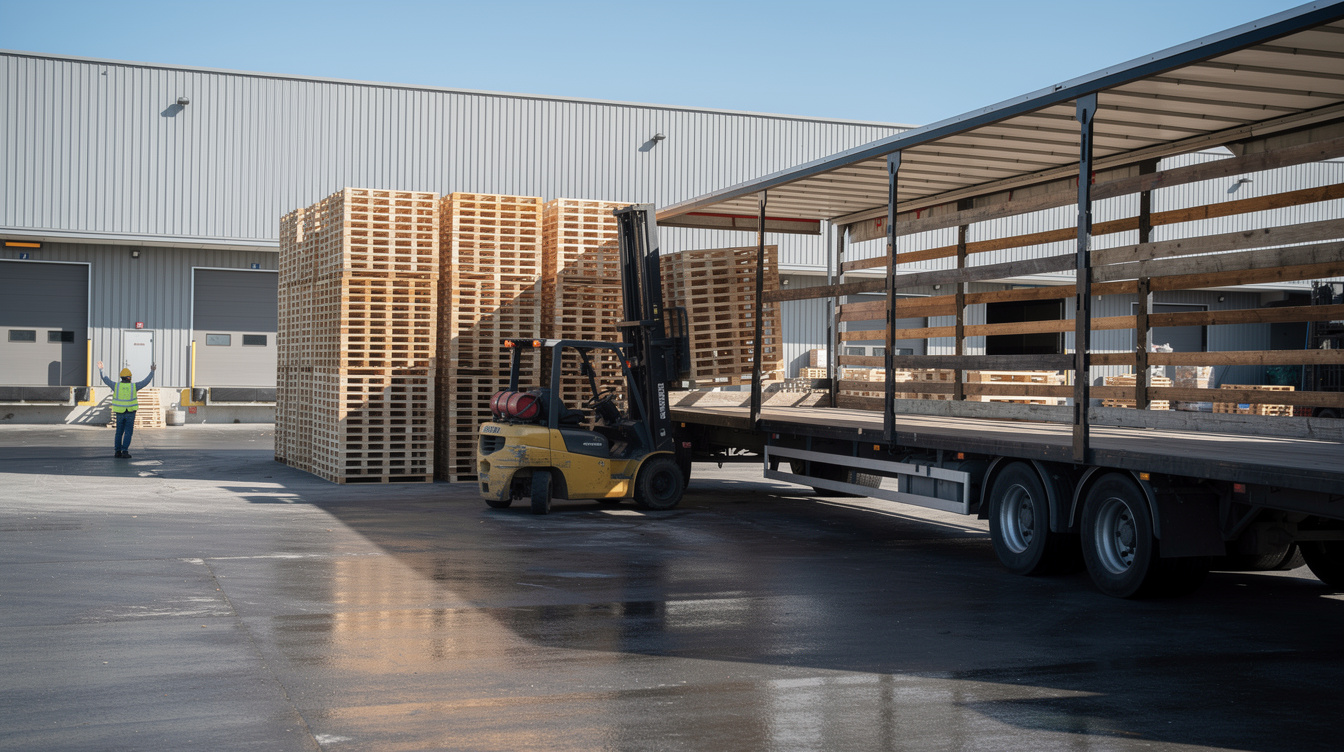
Here's something operations managers overlook: compliance failures often start at the yard gate. When trucks arrive without proper documentation, or when loading sequences don't match manifests, you're already behind.
We built Volmera YMS to catch these mismatches before trucks leave the facility. The system validates documentation against scheduled loads and flags discrepancies while there's still time to fix them. It's not a compliance platform per se, but it eliminates the yard-level chaos that creates compliance problems downstream.
The Integration Question
No single platform handles everything Brazilian transport law demands. The question isn't which software does it all. The question is which systems actually talk to each other.
BLR's approach to HR and safety compliance for transportation shows the right model: specialized depth rather than shallow breadth. Brazilian operators need the same philosophy applied to transport documentation.
Your TMS handles routing. Your fiscal system handles taxes. Your Volmera YMS handles yard coordination. The compliance layer needs to sit across all three, pulling data without creating manual handoffs.
What Actually Works
Operators getting this right share a few characteristics. They treat compliance as continuous rather than periodic. They invest in API connections rather than CSV exports. They measure documentation accuracy at the yard level, not just at delivery.
The $8 billion in road fleet investment will put more trucks on Brazilian highways. More trucks mean more documentation, more tracking data, more regulatory touchpoints.
Is your current system architecture ready to handle twice the compliance volume without twice the headcount?