When Fuel Costs Drive Freight Inflation in Brazil, Every Intermediary in the Pallet Chain Becomes a Cost You Can Remove


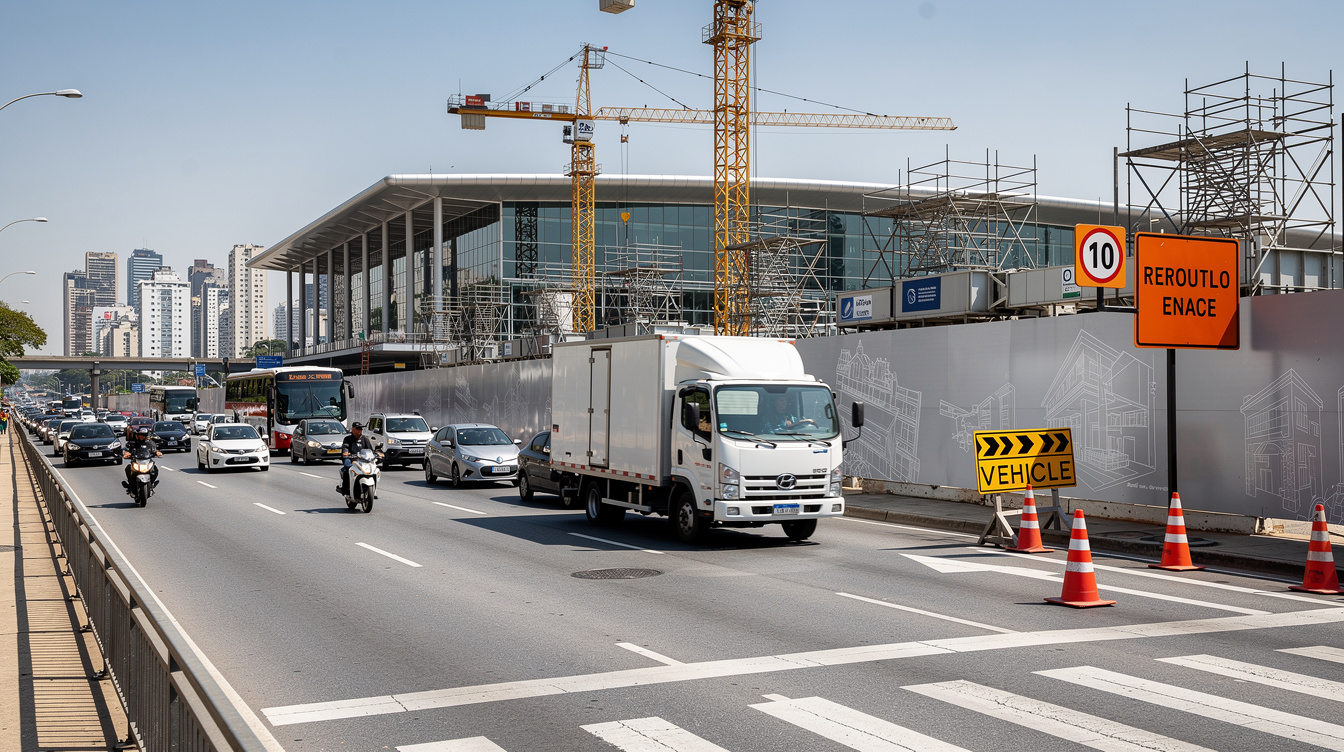
A new analysis of Brazil's fuel distribution sector shows how directly fuel supply shapes inflation, freight rates, and the cost of living, noting that even a 24-hour stoppage in distribution could trigger significant economic losses. For logistics operators, the message is plain: when fuel costs move, freight costs move with them, and every avoidable kilometer in the supply chain gets more expensive.
Why Fuel-Driven Freight Inflation Reaches Every Pallet
Fuel sits underneath every freight rate in the country. When the cost of diesel rises or supply tightens, carriers reprice their lanes, and that repricing flows into everything that travels by truck, including the wooden and plastic pallets that carry the cargo itself. A pallet that passes through two or three intermediaries before reaching a warehouse has already absorbed multiple freight legs, each one priced against today's fuel reality.
That is the part of the story most operators overlook. The cargo gets all the attention, but the platform under the cargo travels the same inflated roads, sometimes more than once, before it ever does productive work.
What Smart Operators Do When Freight Costs Climb
Smart operators respond to freight inflation by removing transport legs they never needed. A pallet buyer purchasing through a chain of resellers pays for the manufacturer-to-distributor haul, the distributor-to-reseller haul, and the final delivery, plus a margin at every handoff. In a period when fuel costs are pushing freight rates upward, each of those extra legs compounds.
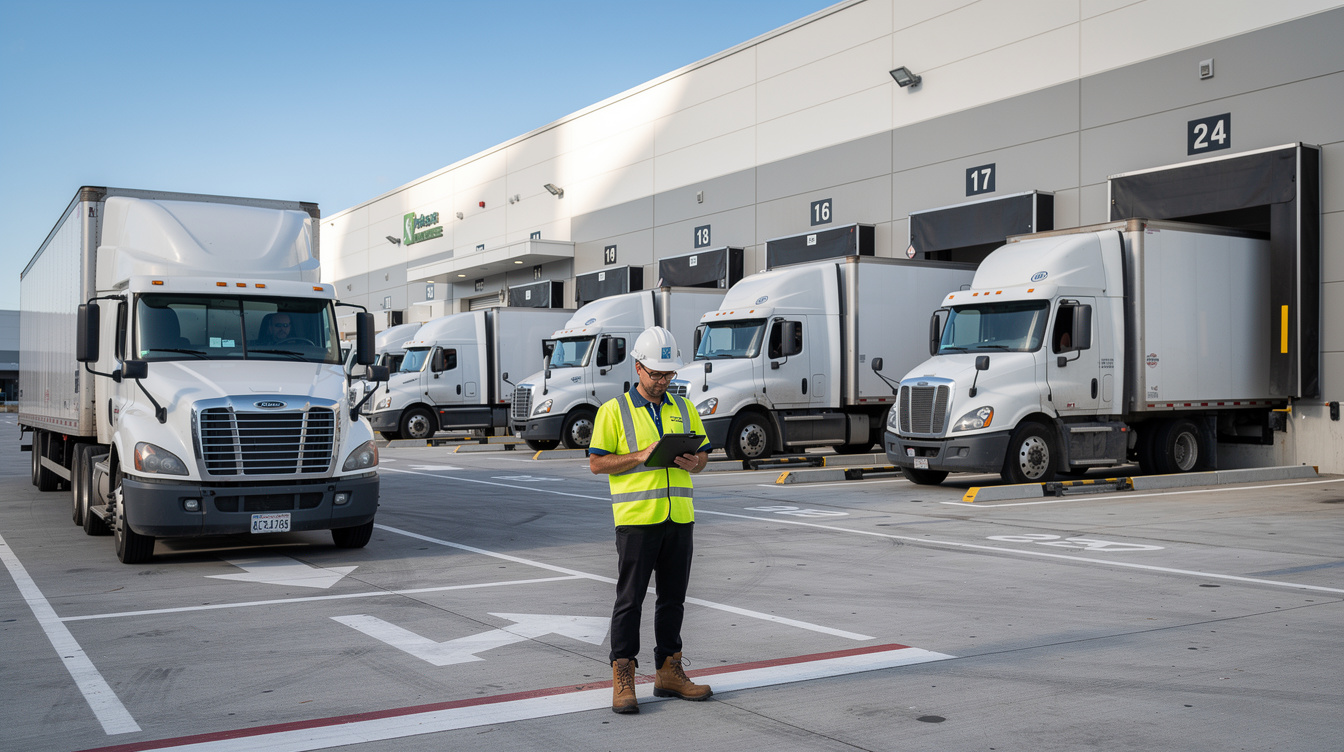
Buying pallets directly from the manufacturer collapses that chain. One transaction, one freight leg, one margin. Operators running high-volume warehouses, the kind receiving 40 or 60 trucks a day, consume pallets constantly, so the savings per unit multiply across thousands of pallets per year.
How Volmera Pallet Marketplace Removes the Middle Layers
Volmera Pallet Marketplace connects pallet manufacturers directly with the buyers who need them, eliminating the intermediaries that add cost without adding value. Instead of sourcing through resellers who each add a freight leg and a markup, a warehouse operator or shipper finds the manufacturer directly and negotiates on real production prices.
The effect is sharpest exactly in moments like this one. When fuel supply pressures push freight rates up across Brazil, the operators sourcing pallets directly feel one freight increase. The operators sourcing through three intermediaries feel three. Direct connection is not a convenience feature, it is structural protection against transport cost inflation.
There is a second benefit worth naming. Manufacturers selling directly gain visibility into real demand, which means buyers get faster answers on availability and lead times when supply conditions tighten. Fewer layers means fewer places for information to stall.
Operators With Direct Supply Chains Are Already Protected
Fuel costs will keep moving, because fuel distribution touches everything from inflation to the price of a delivered pallet. Operators cannot control the price at the pump, but they can control how many times their pallets cross the country before arriving at their dock. The ones who shortened that path before this pressure arrived are watching freight inflation hit their competitors harder than it hits them.
The pallet under your cargo traveled somewhere before it reached you. Do you know how many freight legs, and how many margins, are built into its price?