When Logistics Opens 173,000 Jobs in Four Months, Yard Productivity Depends on More Than Headcount


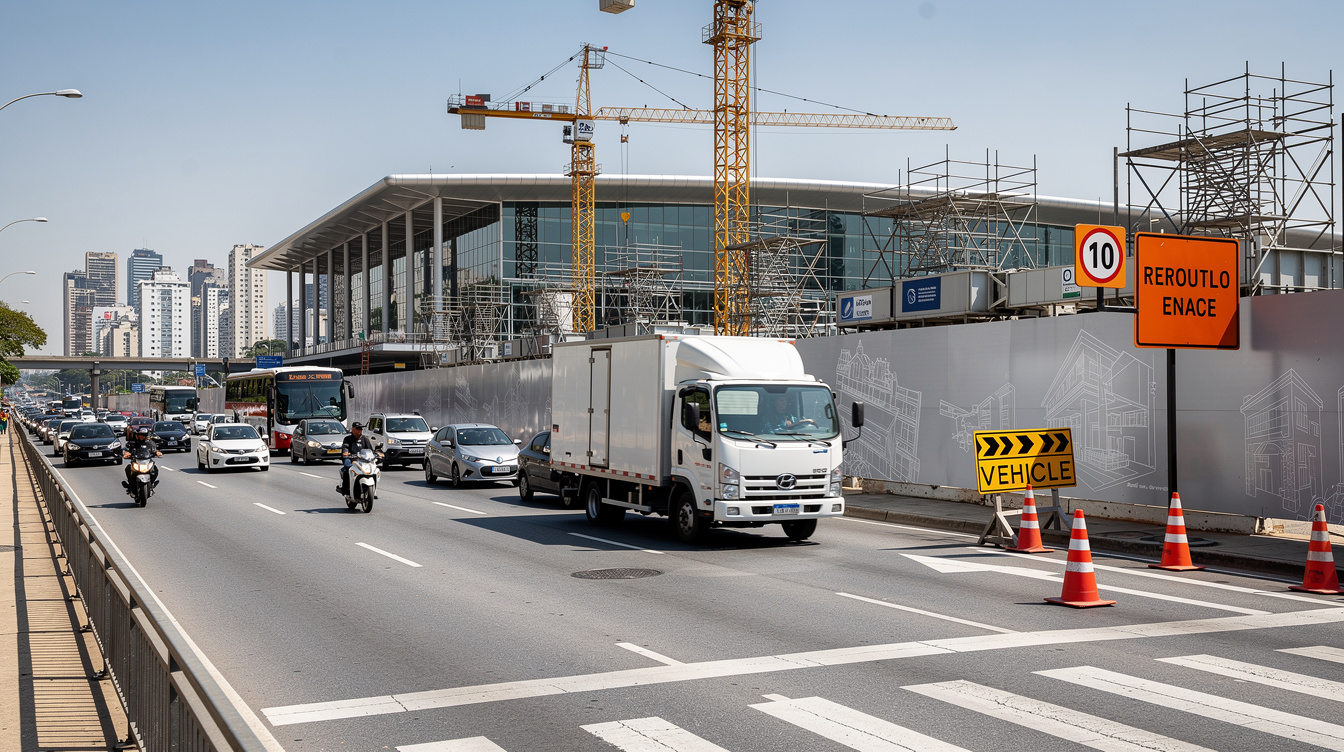
Brazil's logistics sector opened 173,000 positions between January and April 2026, with technical schools across 22 units of the state running free programs to train the professionals the industry needs most. This matters because hiring at that pace signals real growth, and growth puts immediate pressure on the physical spaces where trucks, cargo, and people meet: the yard.
What 173,000 New Jobs Tell Us About Demand
The number reported by the technical education network points to a sector expanding fast. Logistics operators are not adding 173,000 roles because volumes are flat. They are adding them because freight, warehousing, and distribution demand keeps climbing across the state.
New roles mean more shifts, more dock activity, and more trucks moving through the same gates. A facility that handled 40 trucks a day last year may now handle 60. The people are arriving, the training programs are running, and the cargo is moving. The constraint shifts to how well the yard absorbs all of it.
Why More People Does Not Automatically Mean More Throughput
Hiring solves part of the equation, not all of it. A yard with twice the staff but the same manual coordination still creates the same bottlenecks at the dock. Trucks wait, drivers idle, and detention charges accumulate regardless of how many people are checking gates and clipboards.
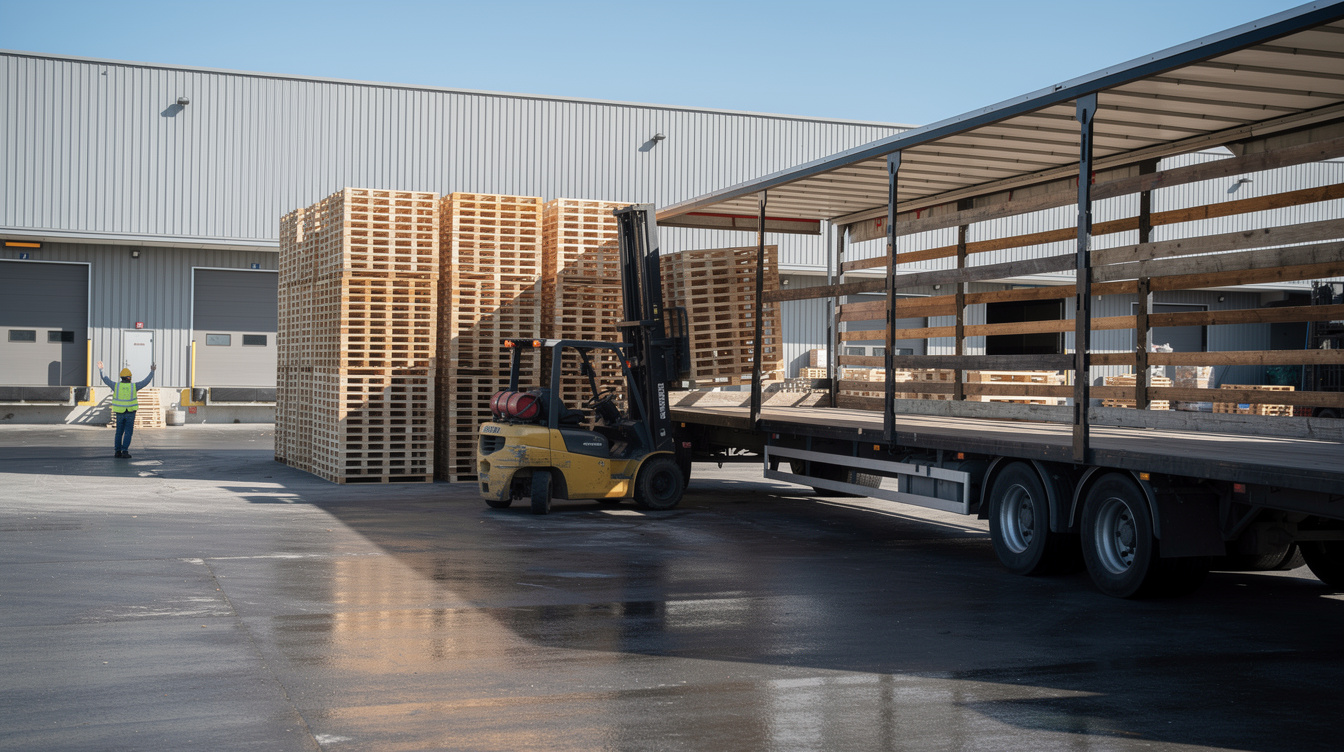
Operators running 30 or more trucks a day know the pattern. A scheduled truck misses its slot, the dock sits empty, and the next truck in line has no clear instruction to move forward. Staff scramble, radios fill up, and the queue grows while a perfectly good dock stays idle. Adding more people to that process often adds more confusion, not more flow.
How Smart Operators Turn Growth Into Throughput
The operators getting ahead pair their new headcount with systems that remove guesswork from the yard. This is where Volmera YMS changes the daily picture. It handles dock scheduling, truck slot booking, and real-time yard visibility so every person on shift sees the same live state of the yard instead of working from memory and phone calls.
The automatic line-up mechanism in Volmera YMS matters most during high-volume periods. When a scheduled truck misses its slot, the system instantly pulls the longest-waiting truck in the queue to the empty dock. No dock sits idle waiting for a no-show, and detention costs drop because trucks keep moving even when the schedule breaks.
For a facility absorbing new hires and rising volume at the same time, this turns extra people into extra output. Staff stop managing chaos and start managing flow. The yard runs on a single shared picture, and the trained professionals coming out of those programs work inside a process built for the volume they are about to handle.
Growth Rewards the Prepared Yard
A sector adding 173,000 jobs in four months is a sector betting on more freight, not less. Operators who match that hiring with real-time scheduling and automatic dock allocation are already positioned to convert demand into delivered loads without drowning in waiting time.
The question for any operator hiring right now is simple. Are your new people walking into a yard that runs on clear, live information, or into one that still depends on radios and luck when a truck misses its slot?