Congonhas Airport Rerouting Begins This Saturday: Why São Paulo Carriers Should Treat Every Kilometer as Billable


Congonhas Airport in São Paulo changes its vehicle access starting Saturday, June 13, as a R$ 2.4 billion modernization closes the current entry for drivers arriving via Avenida Washington Luís in the neighborhood-to-center direction. For carriers operating in and around one of the densest traffic corridors in Brazil, the next two years of construction make one thing clear: every kilometer driven near this zone costs more, so none of them should be driven empty.
What the Congonhas Modernization Means for Road Freight
The works at Congonhas run until June 2028 and reshape far more than passenger flow. The first phase of the project delivers new cargo terminals, the apron expands from 30 to 37 aircraft positions, and the terminal area grows from 40,000 to over 100,000 square meters, with capacity rising to 30 million passengers per year.
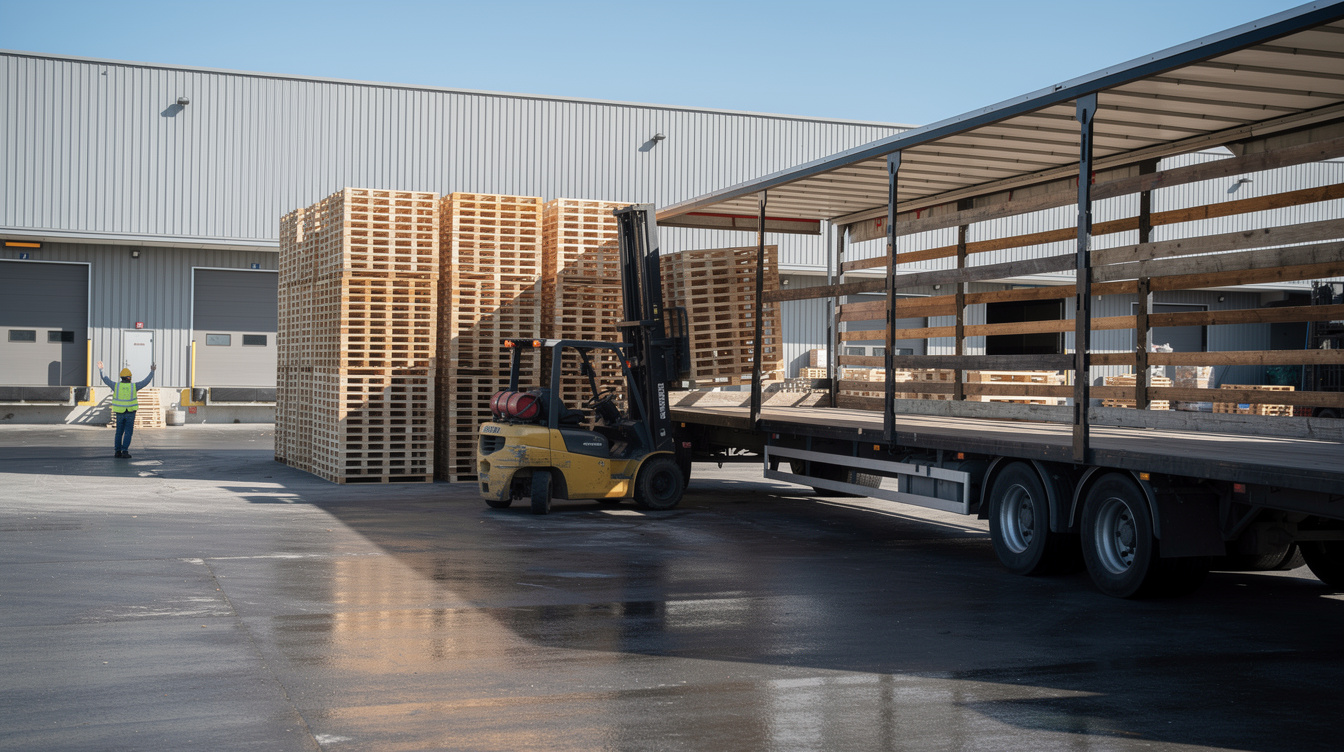
New cargo terminals mean more freight moving through an already congested urban pocket. Trucks serving the airport zone, and the thousands of businesses around Avenida Washington Luís, will navigate rerouted access points, adjusted signage, and active construction traffic for the next two years. The airport operator and the city traffic agency are managing the signage, but route efficiency stays in the hands of each carrier.
Why Construction Years Make Empty Kilometers More Expensive
A rerouted trip in São Paulo traffic consumes more time, more fuel, and more driver hours than the same trip did last month. Carriers absorbing that extra cost on a loaded leg can still price it into the freight. Carriers absorbing it on an empty return leg get nothing back.
This is the math that changes during long construction cycles. When a truck delivers near Congonhas and drives back empty through detoured streets, the operator pays the full congestion penalty twice and bills it once. Operators running 10 or 20 trucks through this corridor every week multiply that loss daily until 2028.
How Volmera Freight Marketplace Turns Rerouted Trips Into Paid Trips
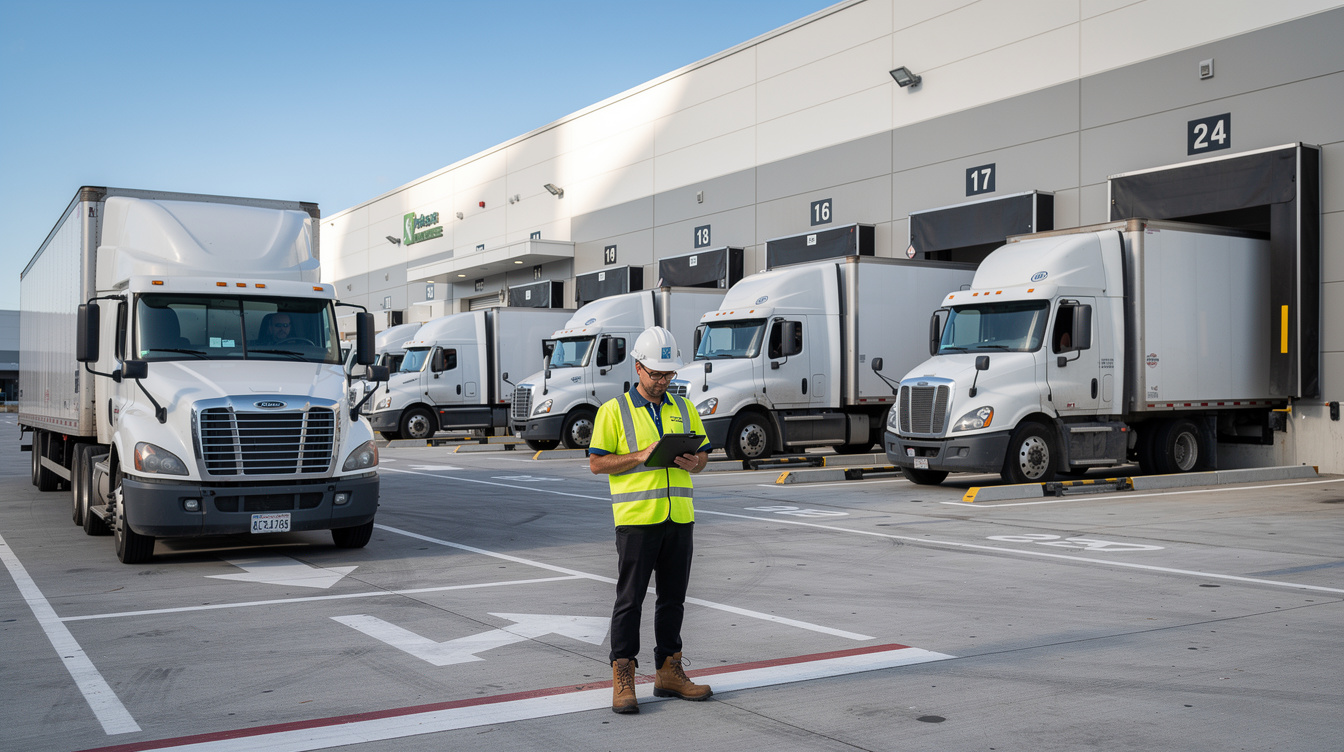
Smart operators respond to construction zones by raising the revenue density of every trip, not by avoiding the zone. The Volmera Freight Marketplace matches carriers with shippers who have cargo moving along the same lanes, so a truck that delivers into the Congonhas area leaves with a paid backhaul instead of an empty trailer.
The matching works in both directions. A shipper in São Paulo needing capacity finds carriers already positioned nearby, and a carrier finishing a delivery finds the return load before the truck even leaves the dock. Empty kilometers drop, and the congestion cost of each trip gets spread across two revenue-generating legs instead of one.
Operators Who Match Backhauls Now Are Ready for 2028
The Congonhas expansion ends with a larger cargo operation, international flights returning, and a monorail station feeding the terminal. Freight demand around the airport grows from here, and the carriers who built dense, two-way lanes during the construction years will hold the strongest position when the new cargo terminals open.
Carriers using the Volmera Freight Marketplace are already running this playbook: deliver loaded, return loaded, and let the detours hurt someone else's margin. The access route changed this Saturday. The economics of empty running changed with it.
When your trucks pass through São Paulo's busiest corridors this month, how many of those kilometers are actually earning?