Brazil's Rail Network Just Moved a Record 555 Million Tonnes. The Terminal Yard Is Where That Volume Wins or Loses


Brazil's rail network moved 555.48 million useful tonnes in 2025, the highest volume ever recorded in the country, according to Ministry of Transport data released in March 2026. In the same period, Brazilian ports posted their third consecutive record year, and a recent industry analysis warns that port-rail intermodality faces a physical and regulatory bottleneck that the sector cannot treat separately.
What Record Rail and Port Volumes Mean for the Truck Leg
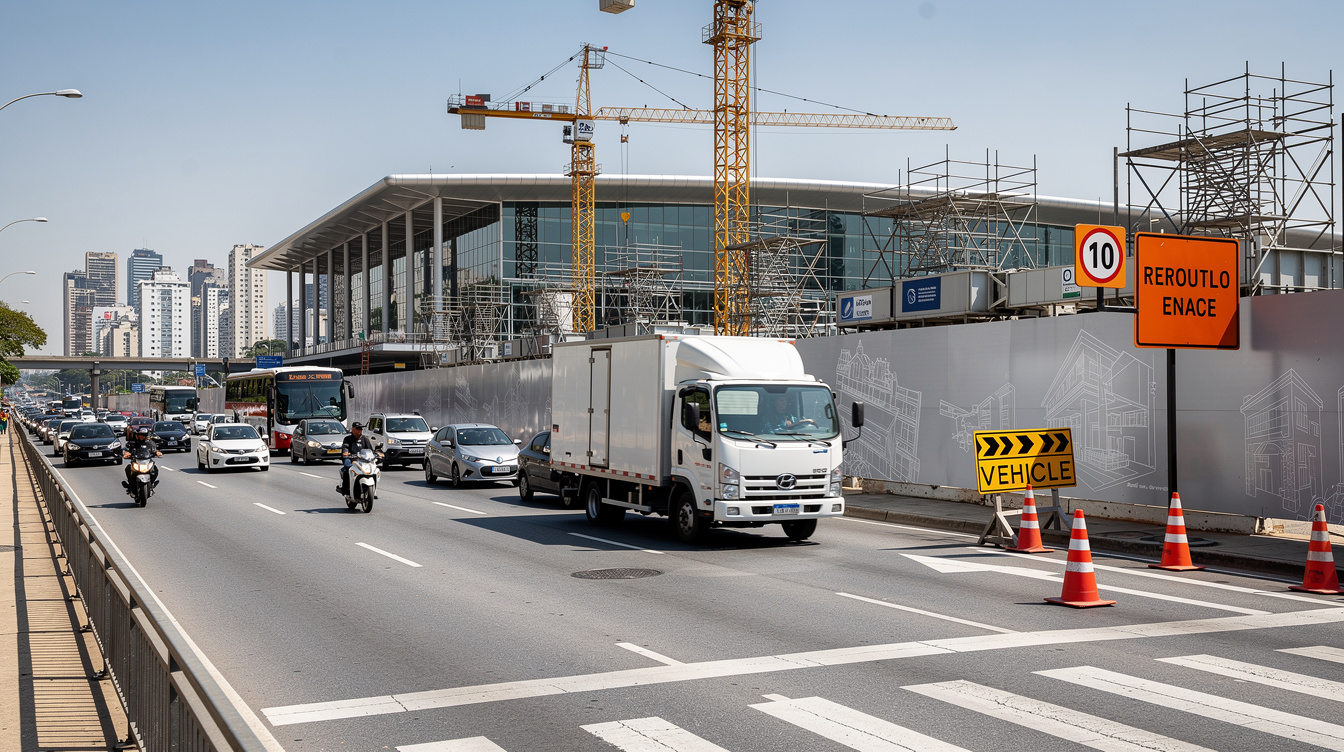
Record rail tonnage does not remove trucks from the equation. It concentrates them. Almost every tonne that travels by rail in Brazil begins or ends its journey on a truck, at a transshipment terminal, a port gate, or a distribution warehouse. When 555 million tonnes flow through the rail network, the truck legs that feed and drain that network grow with it.
The bottleneck the analysis describes is physical before it is regulatory. Terminals where rail, road, and port operations meet have fixed gates, fixed docks, and fixed paved area. Volume records get set on the line haul. They get tested at the interface.
Why the Yard Is the Real Intermodal Connection Point
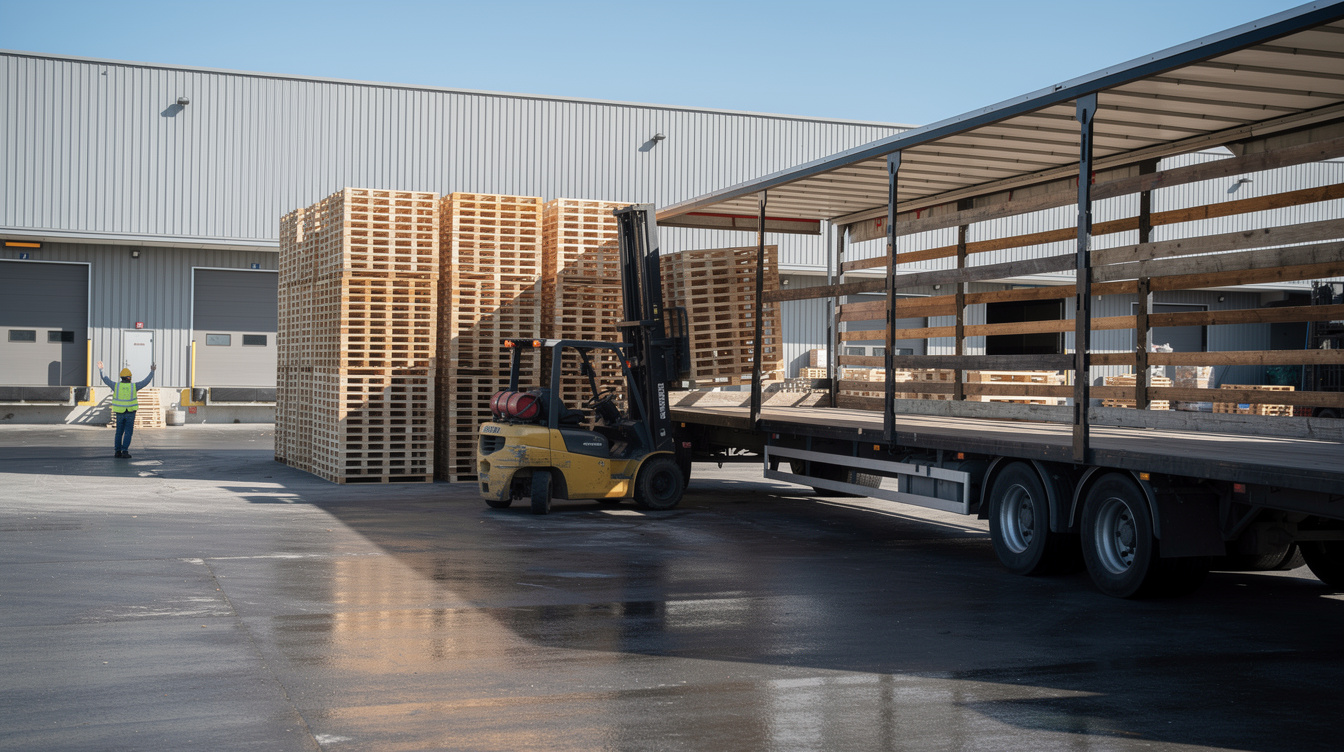
Intermodality is decided in the yard, not on the track. A train arriving at a port terminal needs trucks positioned to receive or deliver cargo within a tight window. If forty trucks show up unscheduled because a vessel slipped or a train arrived early, the yard absorbs the collision, and the record volumes upstream turn into queues, detention invoices, and missed connections downstream.
Operators running terminals at this interface know the pattern. The rail side runs on precise timetables. The road side runs on estimates. The gap between those two clocks is where intermodal efficiency leaks away, one idle dock and one waiting truck at a time.
How Smart Terminal Operators Close the Gap
Operators handling record intermodal volumes are moving from reactive gate management to scheduled, visible yard operations. The principle is simple: if rail runs on a timetable, the truck side must run on one too. That means booked dock slots, real-time visibility of every vehicle inside the fence, and a system that reacts the moment a plan breaks.
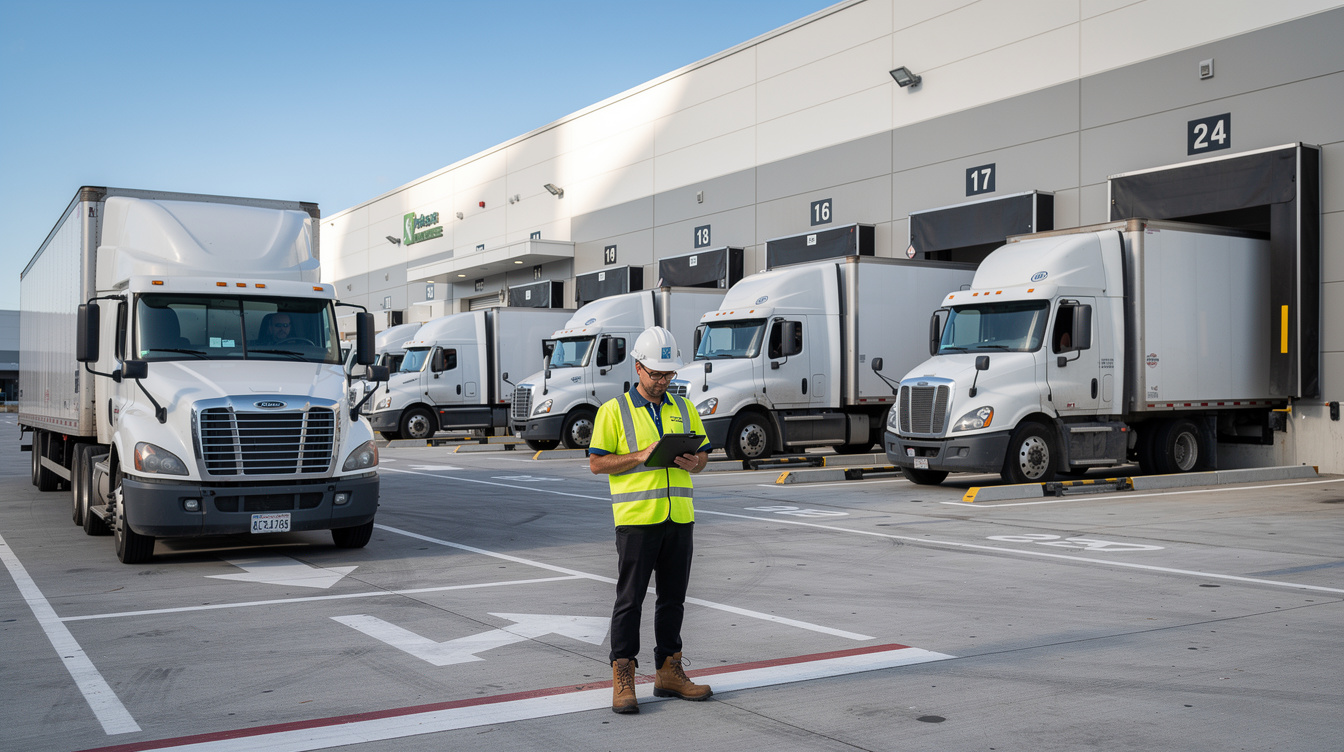
Volmera YMS is built for exactly this interface. Carriers book truck slots in advance, so a terminal feeding a record-volume rail corridor knows its inbound load hours before the gate opens. Real-time yard visibility shows operators which docks are working, which trucks are staged, and where congestion is forming before it hardens into a queue.
The decisive piece is the automatic line-up mechanism. When a scheduled truck misses its slot, common when road legs run on estimates, Volmera YMS instantly pulls the longest-waiting truck in the queue to the empty dock. No dispatcher phone calls, no idle dock minutes, no truck sitting longer than it must. At an intermodal terminal where a train is waiting to load, that automation is the difference between making the connection and missing it.
Record Volumes Reward Prepared Yards
Brazil's 555 million rail tonnes and three straight years of port records show where cargo flow is heading. Operators who treat the yard as the active link between modes, scheduled, visible, and self-correcting, are already converting those records into throughput instead of congestion.
The regulatory side of the intermodal bottleneck will take years to resolve. The physical side starts at your own gate. If a train arrived two hours early tomorrow, would your yard already know which trucks to move first?