When R$10 Billion Modernizes Farm Equipment, Pallet Supply Chains Face a Procurement Surge


Brazil's Agricultural Modernization Program Creates Immediate Demand Pressure on Supply Chains
Brazil's R$10 billion credit program for agricultural machinery modernization will accelerate pallet demand across agricultural supply chains within months. Cooperatives gaining direct financing access for the first time means procurement surges will hit suppliers simultaneously rather than gradually.
The program targets machinery upgrades that reduce operational costs and increase harvest efficiency. A similar truck fleet renewal program deployed R$10 billion in just over two months. That speed shows how quickly below-market financing converts to purchasing activity. For pallet manufacturers and buyers connected to agricultural supply chains, this equipment modernization wave signals concentrated demand that traditional supply channels may struggle to absorb.
Why Equipment Modernization Amplifies Pallet Demand
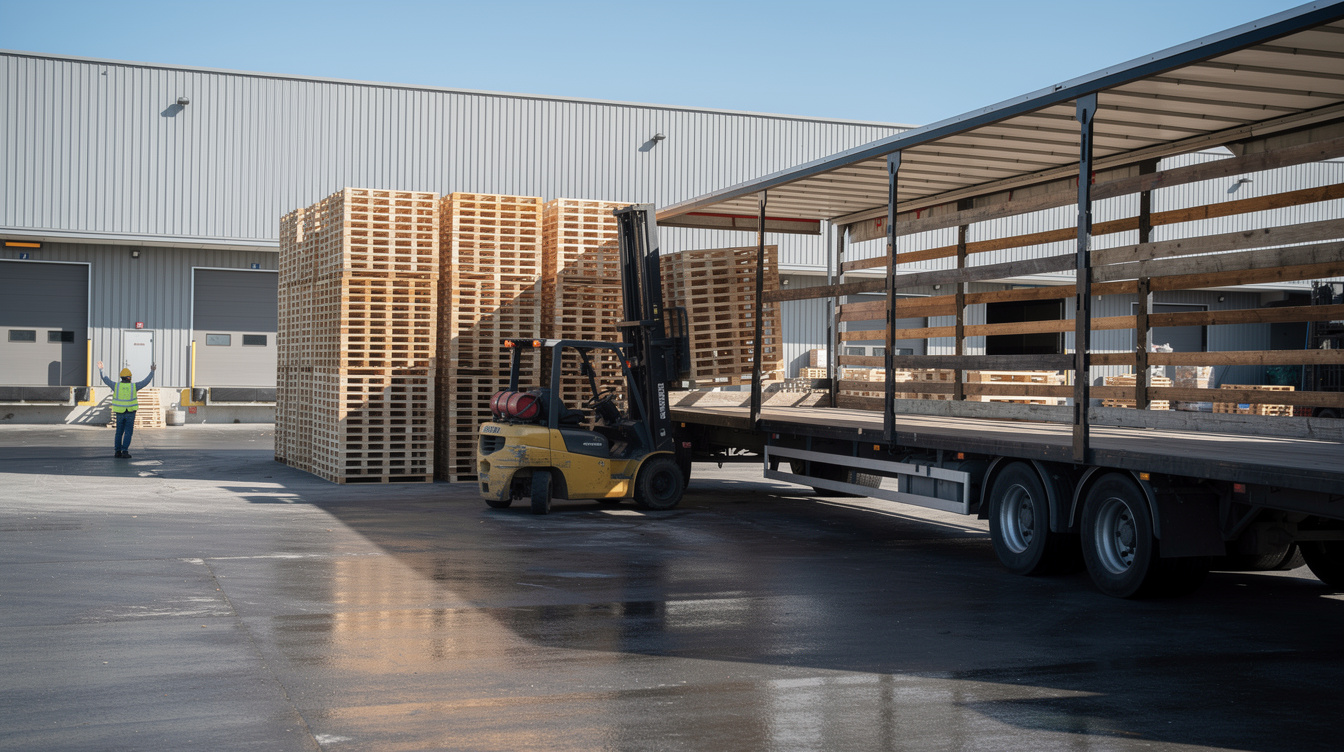
Faster harvesting equipment compresses the timeline between field and facility. Storage facilities that previously received steady grain flows now face concentrated arrival surges. Every additional ton moving through the system requires handling infrastructure. Pallets sit at the center of that infrastructure.
Cooperative financing access creates a demand multiplier. Agricultural cooperatives aggregate procurement for dozens or hundreds of member farms. When a cooperative upgrades its equipment fleet, the resulting pallet demand spike hits suppliers simultaneously across all connected operations.
The truck fleet program's two-month deployment timeline shows that financing availability unlocks investment decisions that operators previously deferred. Pallet demand will follow the same pattern: concentrated, rapid, and potentially overwhelming for suppliers operating through traditional sales channels.
The Procurement Challenge Traditional Channels Cannot Solve
Agricultural pallet buyers face a timing problem that intermediary-dependent supply chains cannot address. Equipment arrives on financing timelines. Harvest schedules are fixed by weather and biology. Pallet procurement must align with both while navigating supplier capacity constraints that intensify when competitors face identical demand pressure.
Each distribution layer between manufacturer and buyer introduces delay, cost markup, and communication gaps. During demand surges, these inefficiencies compound. Buyers discover availability problems after commitments are made. Manufacturers cannot identify demand until orders filter through multiple distribution layers.
Procurement modernization must match equipment modernization. Volmera Pallet Marketplace connects pallet manufacturers directly with buyers, eliminating the intermediary delays that become bottlenecks during demand surges. Direct manufacturer relationships provide visibility into actual production capacity, enable volume commitments before peak season, and reduce per-unit costs by removing markup layers.
Operators Positioned for the Surge
Cooperatives and agricultural facilities that establish direct manufacturer relationships before the modernization wave peaks will secure supply at predictable costs. Operators waiting for traditional channels to respond will compete for constrained inventory at premium prices.
The financing announcement creates a known demand timeline. Equipment purchases will accelerate over the coming months. Harvest efficiency will increase. Throughput pressure will intensify.
Which agricultural operators in your network are already building direct supplier relationships for the surge ahead?