When Logistics Costs Consume 18% of GDP, Yard Inefficiency Becomes the Silent Budget Drain


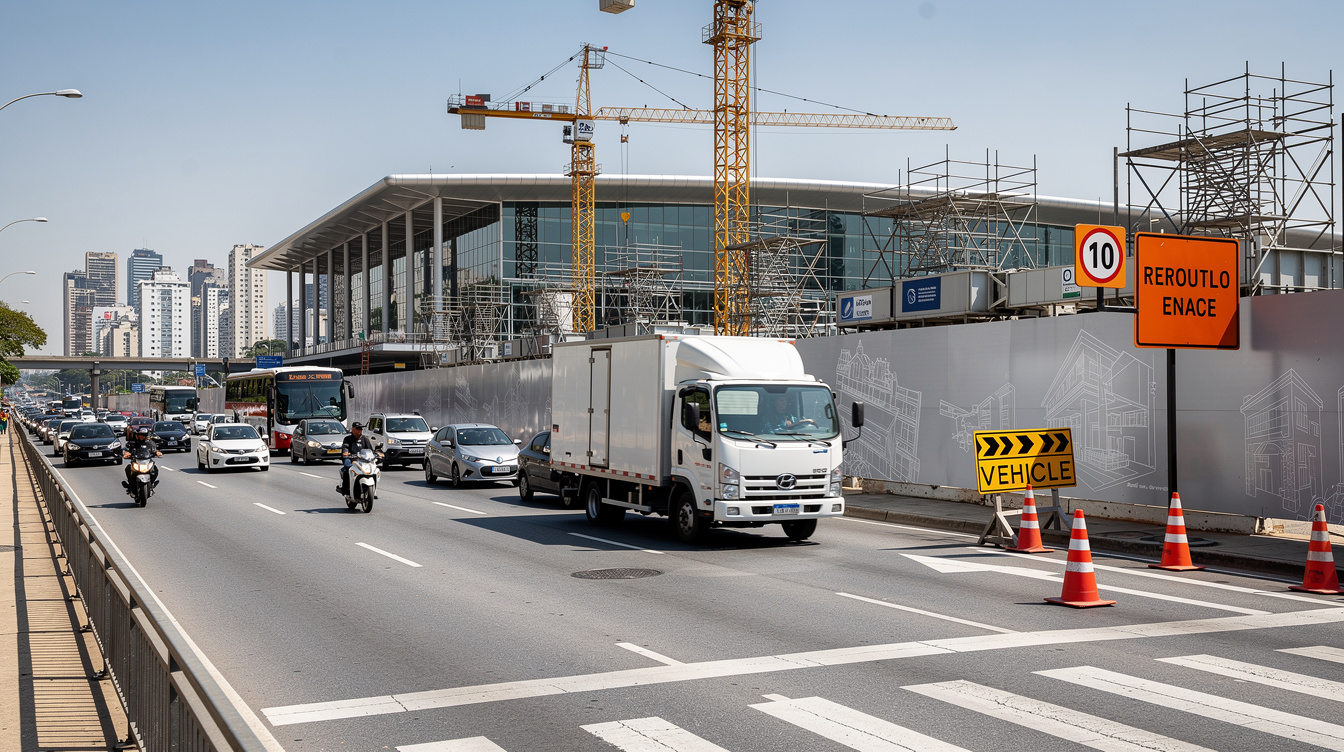
Brazil's logistics costs consume up to 18% of GDP, nearly double the rate of developed economies. Yard operations represent one of the highest leverage intervention points for reducing this burden. For facility operators managing truck flows, the gap between systematic yard management and reactive coordination often determines whether logistics costs track closer to global benchmarks or remain stuck at current levels.
Why Yard Operations Absorb Disproportionate Cost Leakage
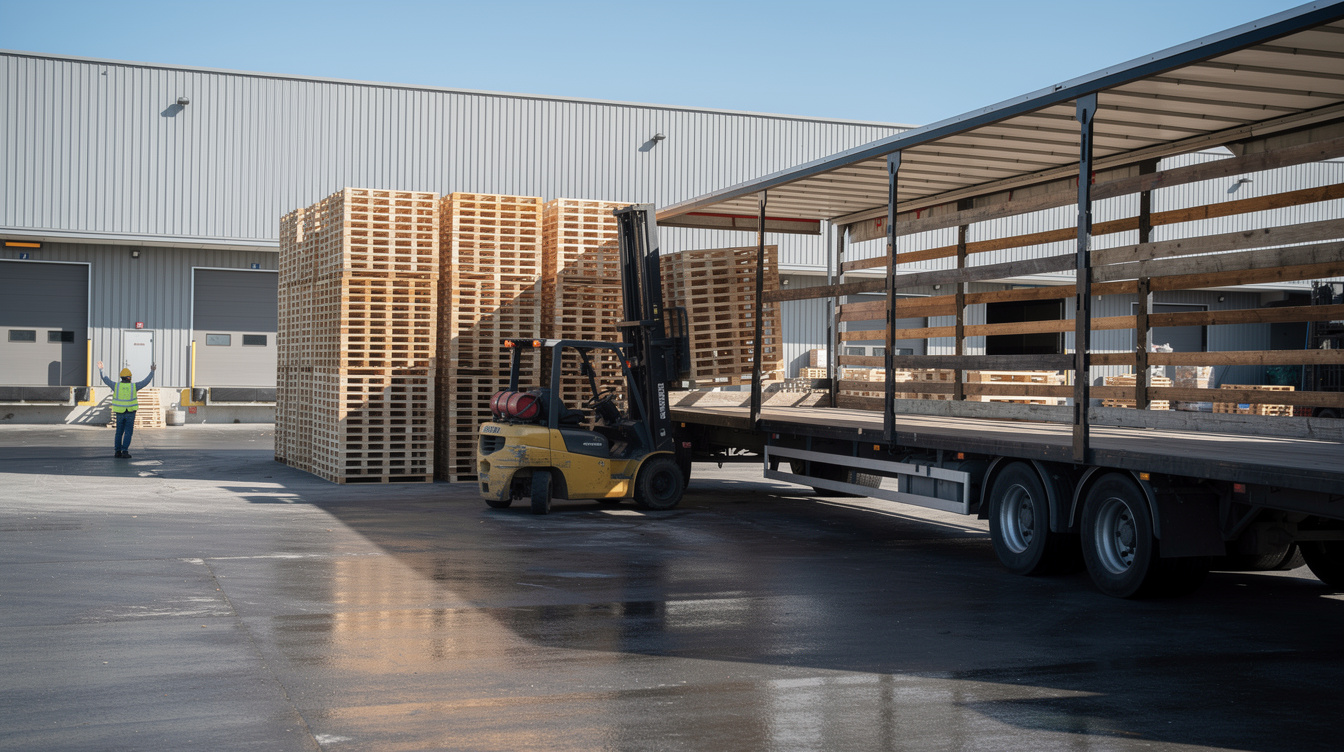
Yard operations multiply costs in ways that remain invisible until measured. Detention charges accumulate when trucks wait beyond scheduled windows. Dock utilization drops when arrivals cluster unpredictably. Labor costs spike when operations cannot anticipate workload patterns.
Facilities processing hundreds of trucks daily face a compounding problem. Each scheduling failure creates downstream delays. Each missed dock window forces trucks into queue. Each growing queue extends waiting times for every subsequent arrival. The cost structure amplifies inefficiency rather than absorbing it. Isolated coordination gaps become facility wide productivity losses.
Brazilian operators competing against this 18% overhead cannot treat yard management as peripheral. The yard is where transport meets handling, where carrier costs become facility costs, where operational decisions shape overall logistics performance.
How Modern Operators Compress These Costs
Operators achieving predictable throughput share common characteristics. These facilities maintain real time visibility into yard status, automated scheduling that eliminates manual coordination failures, and systematic dock allocation that maximizes utilization.
Volmera YMS delivers this capability. The system provides real time yard visibility, automated dock scheduling, and truck slot booking that eliminates the coordination gaps where costs accumulate.
When a scheduled truck misses its slot, the Volmera automatic lineup mechanism instantly pulls the longest waiting truck in the queue to the empty dock. No idle dock time. No manual intervention. No detention costs extending while coordinators scramble to reorganize.
This automated response addresses specific cost drivers contributing to Brazil's logistics burden. Detention charges drop when trucks move through yards predictably. Dock utilization rises when scheduling gaps fill automatically.
The Competitive Advantage of Systematic Efficiency
Facilities operating with modern yard management tools capture efficiency gains that matter. These operations measure detention minutes rather than estimating them. They schedule dock assignments based on real time capacity rather than static assumptions.
The 18% GDP cost figure represents an average across operators at every efficiency level. Facilities with systematic yard management operate below this threshold. Their competitors absorb costs they cannot quantify.
Brazil's logistics infrastructure continues expanding with road, rail, and port investments. But infrastructure alone does not determine cost competitiveness. Operational precision at individual facilities determines whether new capacity translates into efficiency gains or simply handles more volume at elevated cost rates.