When Heavy Rain Disrupts Brazilian Freight Schedules, Yard Operations Decide Who Recovers Fastest

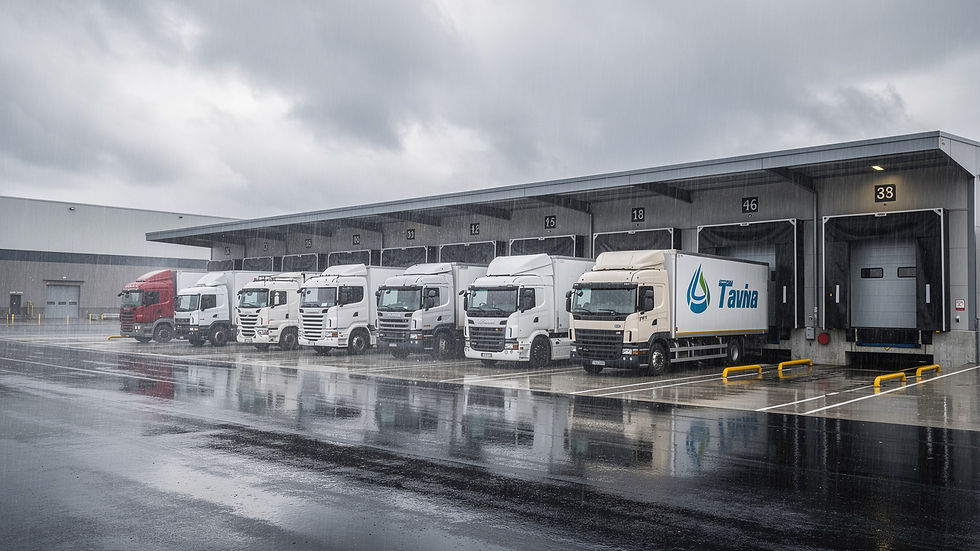
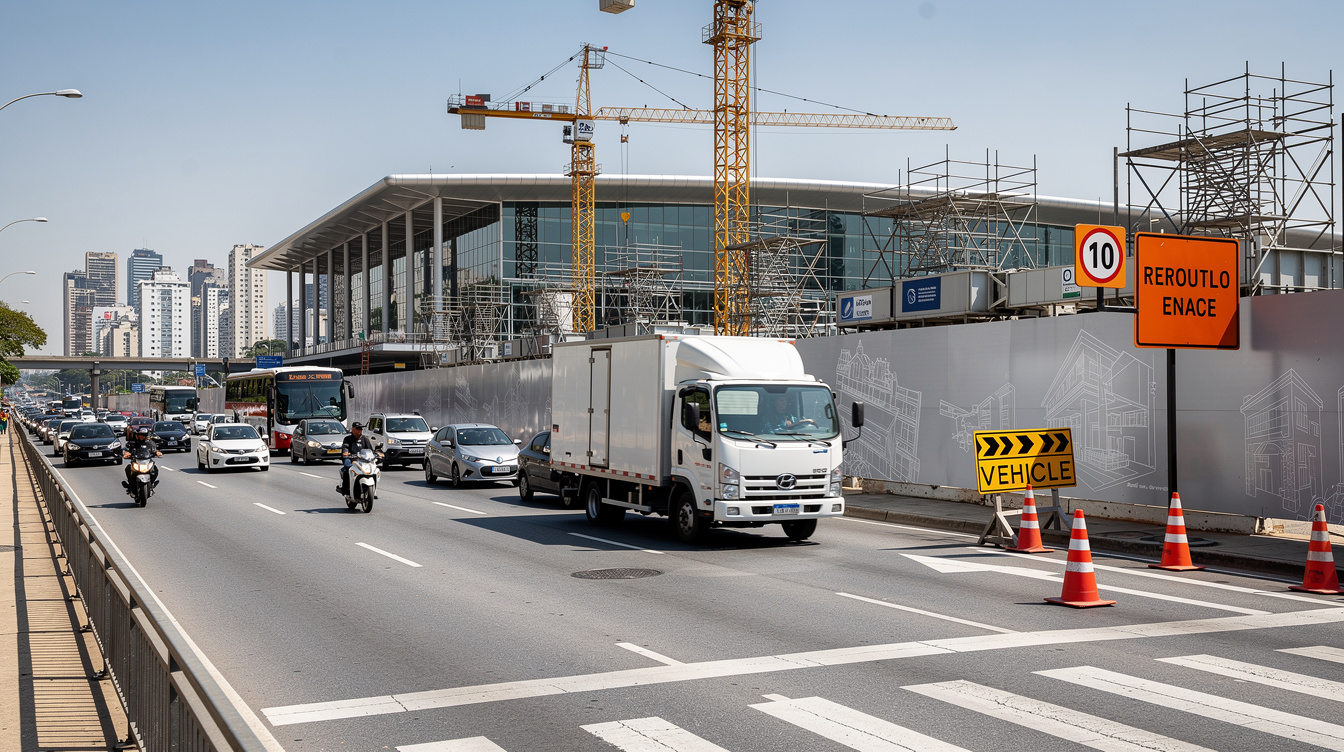
Heavy rain across Brazil is forcing carriers to slow down, reroute, and reschedule deliveries from departure to final drop-off. A recent industry report describes how intense rainfall changes truck routes, stretches delivery times, and demands extra protection for moisture-sensitive cargo, with effects visible on both long-haul corridors and urban distribution.
What Rain Disruption Reveals About Schedule Fragility
Rain exposes how tightly logistics schedules depend on predictable arrival windows. The report notes that reduced visibility, flooded points, road closures, and slower speeds all push trucks off their planned timelines. A trip normally finished in a few hours can stretch by hours more once detours and congestion enter the picture.
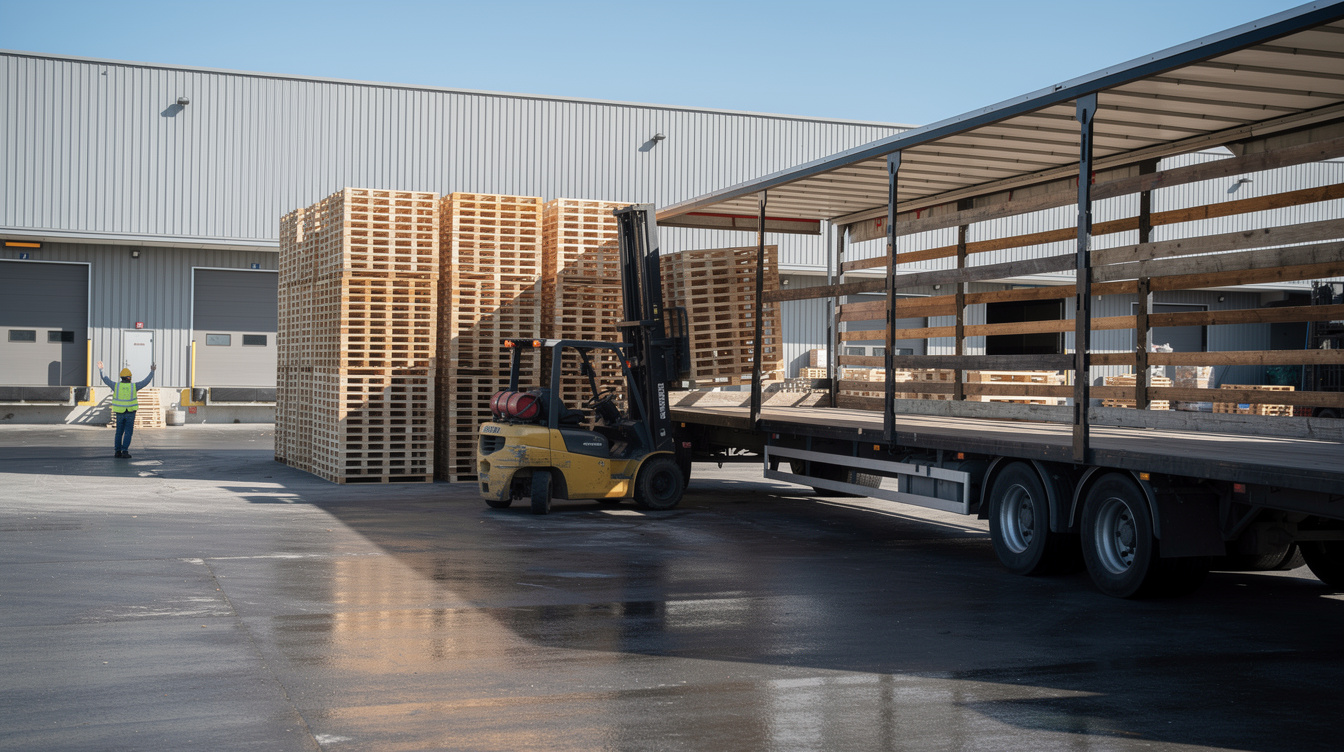
This matters because the disruption does not stop at the road. When trucks arrive late, the yard inherits the chaos. A facility expecting a truck at 10:00 now receives it at 14:00, while three other trucks that planned to arrive at 14:00 sit in the same queue. Operators running 20 or more inbound trucks per day feel this compounding effect immediately.
Why Fixed Slot Schedules Break Under Weather Pressure
Most dock scheduling assumes trucks arrive when they say they will. Rain breaks that assumption every time. The report describes drivers waiting for conditions to improve before continuing, taking alternative routes, and absorbing extra stop time. Each of these decisions shifts arrival times the yard never planned for.
A yard built on rigid slot booking handles this poorly. When a scheduled truck misses its 10:00 slot because of a flooded highway, that dock sits empty while a truck that has been waiting since 08:00 stays parked in the queue. The dock loses throughput. The waiting truck accumulates detention. Both losses are avoidable.
How Smart Operators Keep Docks Moving
The operators who recover fastest from weather disruption do not fight the unpredictability. They build yards that absorb it. Volmera YMS handles this through an automatic line-up mechanism: when a scheduled truck misses its slot, the system instantly pulls the longest-waiting truck in the queue to the empty dock.
This means a delayed arrival no longer freezes a dock. The slot stays productive. The truck that has waited longest gets loaded or unloaded, which cuts the detention clock that runs hardest on rainy days when queues build. Volmera YMS gives the yard real-time visibility into which trucks are present, which are delayed, and which dock is about to free up.
Rain also concentrates loading and unloading risk, since cargo is most exposed during those moments. A yard that processes the right truck at the right dock without idle gaps reduces the time sensitive freight spends waiting in the open. Faster dock turns mean less exposure overall.
Operators With Yard Control Are Already Covered
Weather will keep arriving unannounced. Carriers cannot stop the rain, and they cannot force highways to stay open. What they can control is what happens once trucks reach the gate.
A yard that reorganizes itself around actual arrivals, rather than the schedule that rain already broke, keeps throughput steady while competitors stack trucks in the queue. The operators who installed that logic before the rainy season are not scrambling now. They are clearing docks while others wait.
When the next storm shifts every arrival time by hours, will your yard reshuffle itself automatically, or will it wait for the schedule that no longer matches reality?