When Dry Ports Move Inland, Carriers Must Solve the 600km Empty Return Problem

Erechim's Dry Port Proposal Exposes the Backhaul Challenge for Regional Carriers
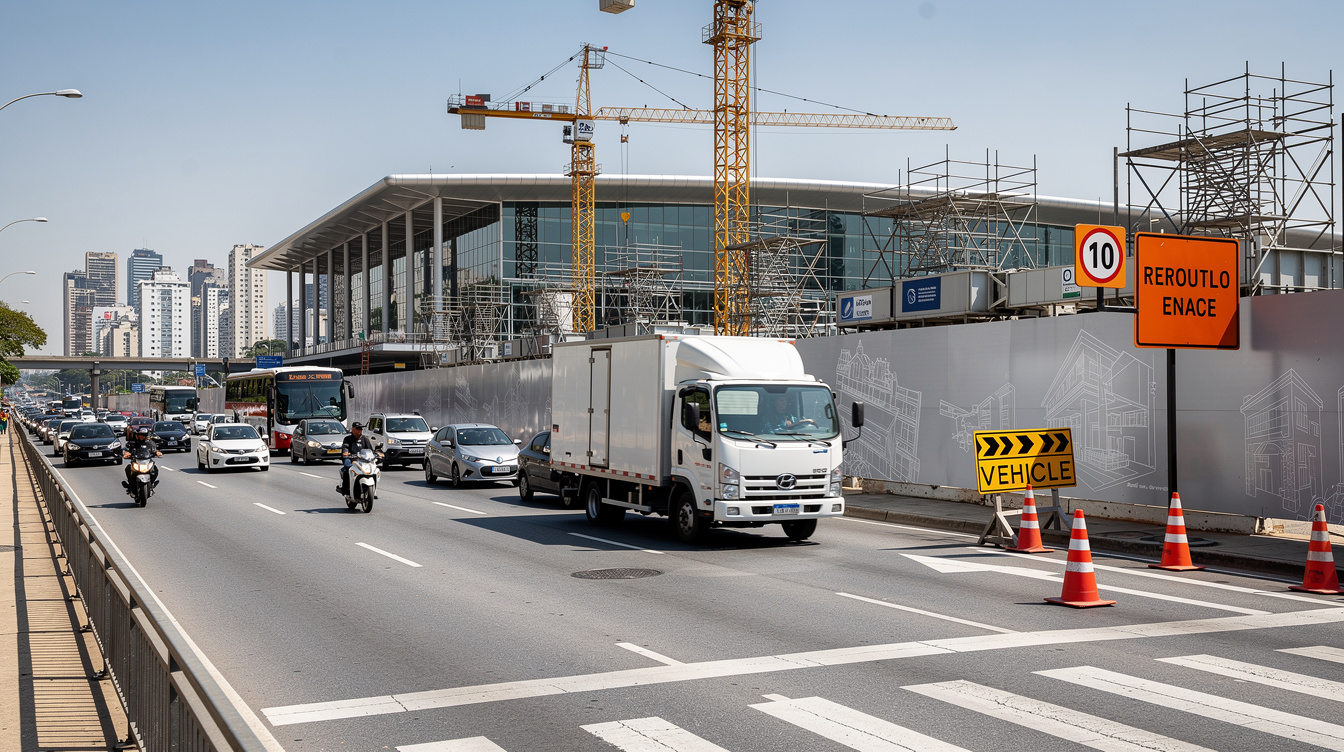
A proposed dry port in Erechim would bring customs operations 600 kilometers closer to Rio Grande do Sul's agroindustrial clusters. That concentration of export freight will amplify empty return problems for regional carriers. The pattern is familiar: loaded trucks heading outbound, empty trucks heading back to production zones.
A public hearing in Erechim this week will discuss establishing the inland customs station. The region currently depends on Porto de Rio Grande for customs clearance. Trucks loaded with agricultural and industrial products travel south to the port, then return north with limited cargo options. A dry port would shift customs operations inland but wouldn't automatically fix the directional imbalance that defines this corridor.
Why Inland Customs Stations Amplify Empty Kilometer Exposure
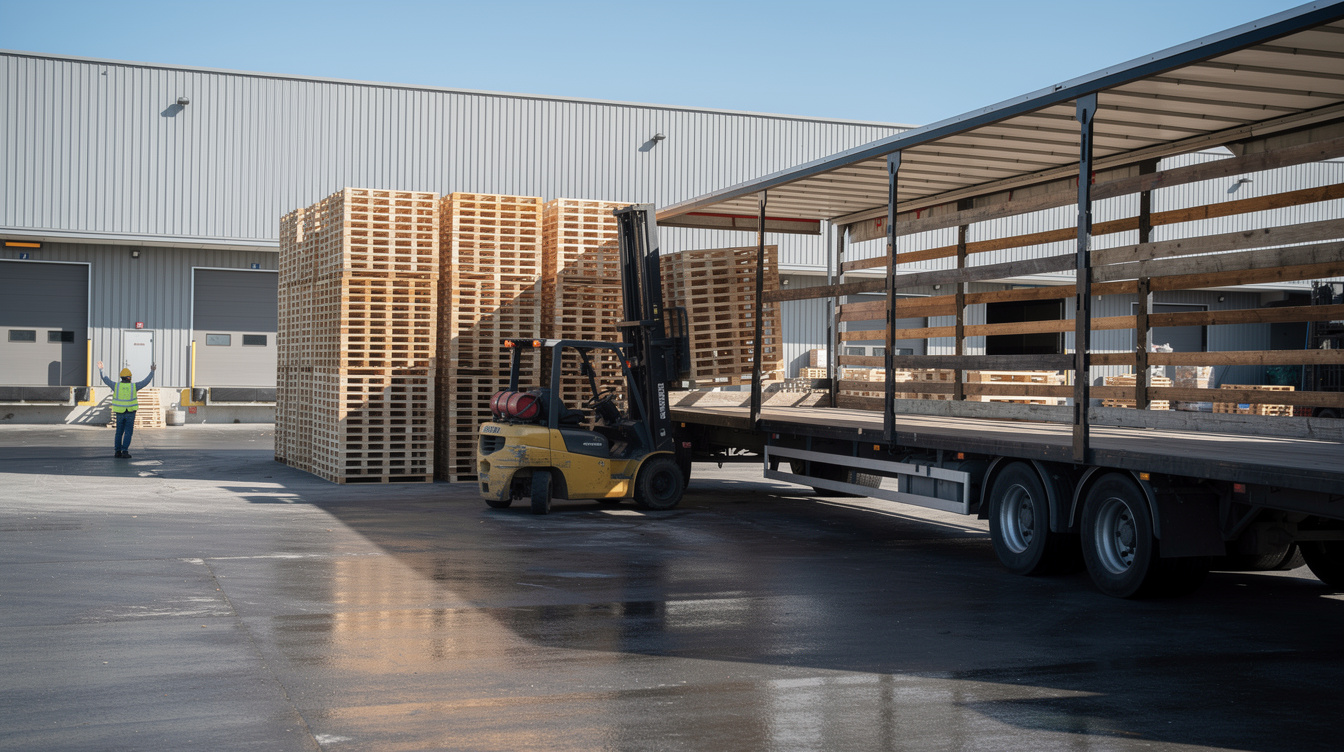
Dry ports concentrate export freight but rarely generate matching import volumes for return trips. Northern Rio Grande do Sul produces grain, processed foods, and manufactured goods for export. Import flows into the region follow different patterns and timing than export surges.
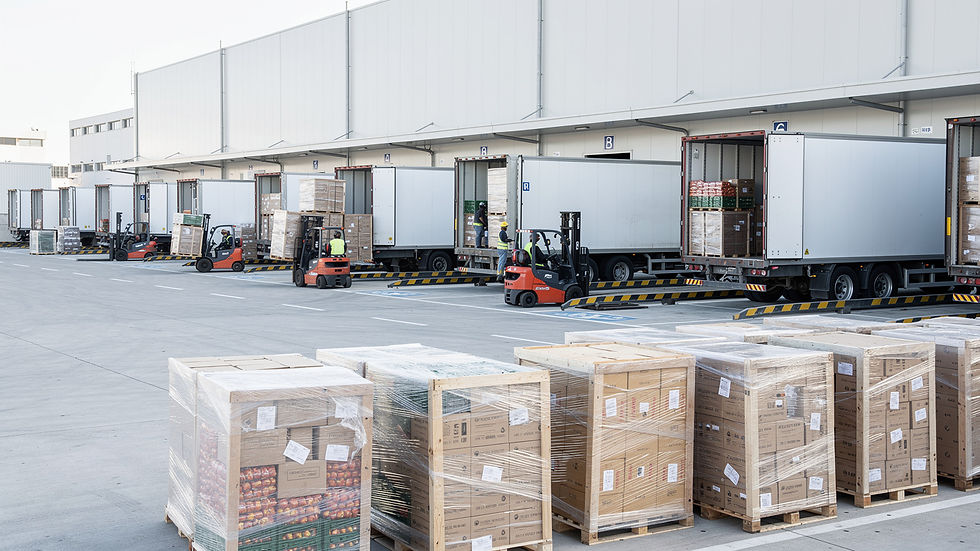
When a dry port begins operating, carriers gain efficient access to export freight. Outbound loads fill quickly. Return trips remain problematic because the customs station processes primarily export cargo.
The 600-kilometer distance reduction benefits shippers through faster customs clearance and lower total logistics costs. Carriers capture some of that value through outbound rates. But empty return kilometers still consume fuel, driver hours, and vehicle depreciation without generating revenue.
Smart Carriers Solve Backhaul Before Infrastructure Arrives
Operators who thrive in directionally imbalanced corridors treat backhaul as a revenue source rather than an unavoidable loss. They connect their return capacity to freight demand from regions their trucks pass through anyway.
Volmera Freight Marketplace lets carriers departing production zones match with loads positioned along return routes. Empty kilometers become revenue. When a dry port concentrates export volumes in Erechim, carriers using the platform capture both outbound premium rates and return revenue that competitors forfeit.
The infrastructure proposal addresses customs inefficiency. The backhaul problem requires something different: visibility into freight demand along return corridors and the ability to match that demand instantly. Regional carriers already running routes between northern Rio Grande do Sul and coastal destinations can use this transition period to establish backhaul patterns before concentrated export volumes begin.
Infrastructure Investment Rewards Prepared Carriers
The Erechim dry port discussion reflects broader inland logistics development across Brazilian agricultural regions. Each new customs station or processing facility concentrates outbound freight while leaving return efficiency to individual carriers.
Carriers with freight matching capabilities convert infrastructure investments into margin expansion. Carriers without backhaul visibility subsidize empty returns indefinitely. As regional logistics infrastructure moves inland, the carriers who capture value in both directions will be the ones that stay competitive.