When Carvana's $55 Billion Valuation Signals Algorithm Dominance, Traditional Yards Must Respond with Operational Intelligence


Capital markets just valued an online automotive retailer at $55 billion, surpassing legacy dealership networks built over decades. The message for logistics operators is direct: facilities that treat yards as passive real estate rather than algorithmically optimized assets are betting against the clear direction of market forces.
What the Automotive Distribution Shift Reveals About Yard Value
The valuation gap between algorithm-first distributors and traditional brick-and-mortar networks reflects a fundamental reassessment of where value sits in physical distribution. Investors are not paying premiums for square footage. They are paying for systems that extract maximum throughput from constrained physical assets.
Traditional automotive dealerships operate large lots with vehicles sitting for weeks awaiting buyers. The algorithm-driven model compresses that dwell time dramatically through predictive matching and dynamic inventory positioning. The same principle applies to logistics yards. Facilities managing truck flow through static scheduling and manual coordination are leaving measurable capacity on the table.
Why Logistics Yards Face the Same Valuation Logic
Distribution centers, cross-docks, and manufacturing yards share the core challenge that automotive retail is now resolving: physical space is fixed, but the intelligence layer determining how that space gets used is infinitely improvable.
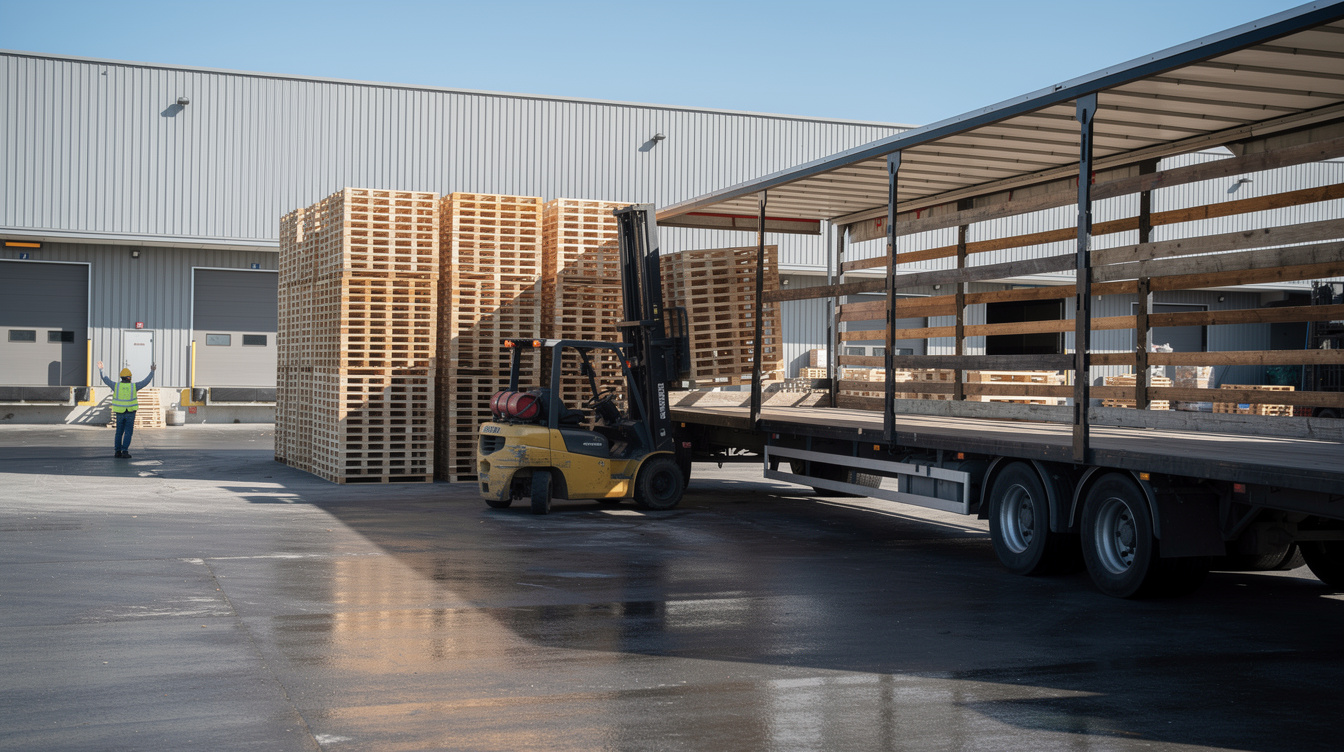
A yard running 40 docks with manual scheduling might achieve 65% utilization during peak windows. The same yard with systematic slot booking, real-time visibility, and automatic queue management can push toward 85% or higher. That 20-point gap represents trucks that moved versus trucks that waited. It represents detention costs avoided versus detention costs absorbed. It represents the difference between a cost center and a competitive advantage.
How Algorithm-Driven Yard Management Changes the Economics
Volmera YMS applies the same logic now rewarded in automotive distribution to logistics yard operations. The system handles dock scheduling, truck slot booking, and real-time yard visibility through a unified intelligence layer rather than fragmented manual processes.
The automatic line-up mechanism addresses the specific failure mode that manual yards cannot solve. When a scheduled truck misses its slot, the system instantly pulls the longest-waiting truck in the queue to the empty dock. No radio calls. No yard jockey confusion. No idle dock time accumulating while someone figures out what to do next.
Operators running 20 or more daily dock appointments see the compounding effect clearly. Each missed slot that gets automatically filled prevents a cascade of delays affecting subsequent appointments. Each hour of dock utilization recovered directly reduces detention exposure and increases daily throughput without adding physical capacity.
Why Physical Assets Without Intelligence Layers Lose
The $55 billion valuation lesson extends beyond automotive retail. Capital markets are systematically discounting physical assets that operate without algorithmic optimization. Facilities that rely on experienced yard managers and radio coordination are functionally equivalent to dealerships that rely on walk-in traffic and inventory intuition.
Smart operators are already building the intelligence layers that protect their physical investments. The facilities that will command premium valuations and preferred carrier relationships are those treating yard operations as an algorithmic challenge rather than a real estate management problem.
What would your facility's valuation look like if every dock minute were systematically optimized?