What Actually Happens in a Yard Without Management

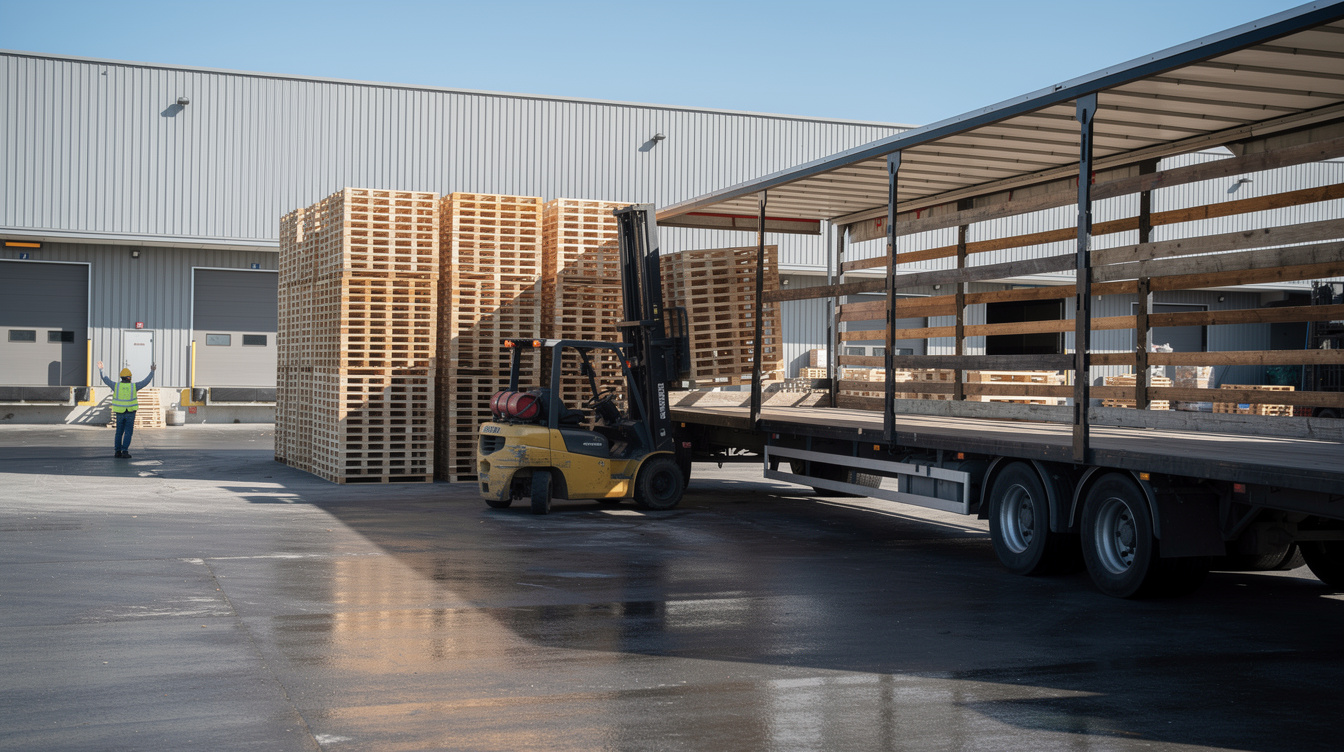
Picture a distribution center at 6 AM. Trucks are lined up at the gate. The security guard has a clipboard. Someone's on the radio trying to figure out which dock is free. A driver's been waiting two hours because nobody knew his trailer was ready.
This is the reality at most Brazilian logistics operations. And it costs more than most people realize.
So What Is a Yard Management System?
A Yard Management System (YMS) is software that tracks everything happening between your facility's gate and your warehouse doors. Every truck, every trailer, every parking spot, every dock appointment.
Think of it as air traffic control for your yard.
The system knows where assets are in real time. It knows which trailers are loaded, which are empty, which have been sitting for three days. It coordinates gate check-ins, assigns dock doors, and sequences trucks so drivers aren't circling like vultures waiting for a spot.
Why Brazilian Operations Need This More Than Most
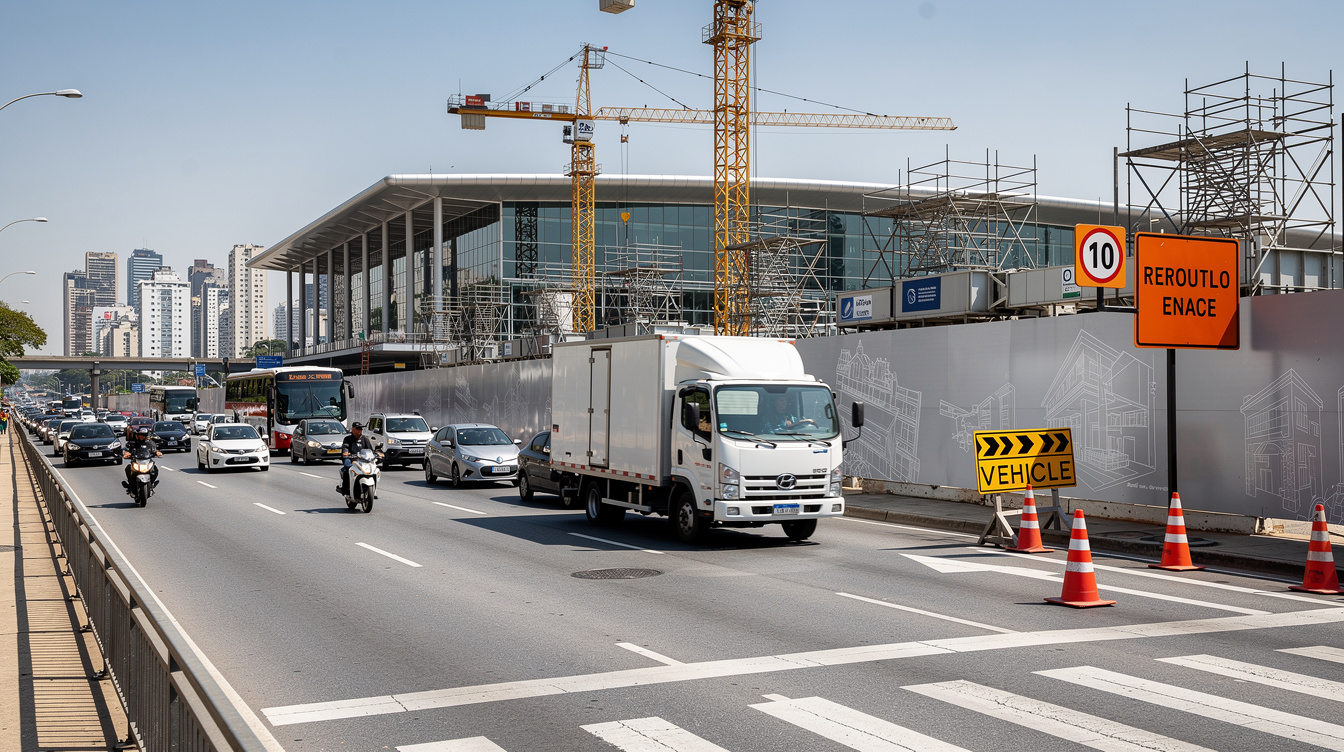
Our logistics reality is unique. Truck queues at grain terminals can stretch for kilometers during harvest. Port yards handle thousands of container movements daily. Manufacturing plants juggle inbound raw materials and outbound finished goods on the same congested patch of asphalt.
The traditional approach is throwing bodies at the problem. More gatekeepers, more radio chatter, more spreadsheets. It works until it doesn't.
A YMS changes the game by making yard capacity visible and predictable. You can see congestion building before it happens. You can slot arrivals into available windows. You can prove to that angry customer exactly when their trailer was loaded.
What Good Implementation Looks Like
The companies getting real value from yard management aren't just installing software. They're rethinking how vehicles flow through their facilities.
At Volmera, we've seen operations cut truck dwell time by 30% or more after implementing our YMS. But the technology alone isn't magic. It works because someone finally mapped out the yard processes that were living in people's heads.
The best implementations start with a simple question: where do trucks actually go, and why do they wait?
The Hidden Benefit Nobody Talks About
Beyond efficiency, there's something else. Data.
Every movement gets logged. Every delay has a timestamp. Suddenly you can answer questions that were previously impossible. Which carriers consistently arrive late? Which dock doors are bottlenecks? Is your yard actually full, or just disorganized?
This visibility transforms arguments into conversations. When a carrier disputes detention charges, you have the receipts. When operations wants more dock doors, you can show utilization rates.
Is Your Yard Ready for This?
Not every operation needs a full YMS. Some facilities genuinely work fine with whiteboards and walkie-talkies.
But if your team spends more time looking for trailers than moving them, if drivers complain about wait times, if you've ever lost track of a loaded trailer for hours, the investment probably makes sense.
What's the longest a truck has ever waited in your yard, and did anyone actually know why?