The ROI Question Nobody Wants to Answer Honestly

38% of Brazilian companies using IoT have already integrated AI into their operations, with another 43.7% actively developing that capability. That's according to ABINC's 2025 data. Impressive numbers. But here's what those statistics don't tell you: how many of those implementations actually paid for themselves?
I've seen too many supply chain software projects in Brazil that look great on paper but deliver murky results in practice. The real ROI conversation is messier than vendors want to admit.
What Actually Drives Returns
Let's talk specifics. Cold chain operations offer one of the clearest examples. Companies with ISO 22000 certification reported a 30% reduction in food safety incidents, according to 2025 industry data. That's not just about avoiding recalls. It's about preventing the cascade of costs that follow: lost product, damaged relationships with retailers, regulatory headaches.
Traceability technology in frigoríficos now enables real-time monitoring across the entire supply chain. When you can pinpoint exactly where contamination occurred, you stop throwing away entire batches. That's measurable savings.
In the apparel sector, the math works differently. Confection businesses face volatile demand and tight margins. ERP systems that coordinate supply chain, production, and distribution create value through transparency. You see what's stuck in transit, what's sitting in warehouses, what's moving. Decisions get faster.
The Hidden Costs Nobody Budgets For
Here's where Brazilian operations get tricky. Implementation timelines stretch. Training takes longer than expected. Integration with existing systems reveals ugly surprises.
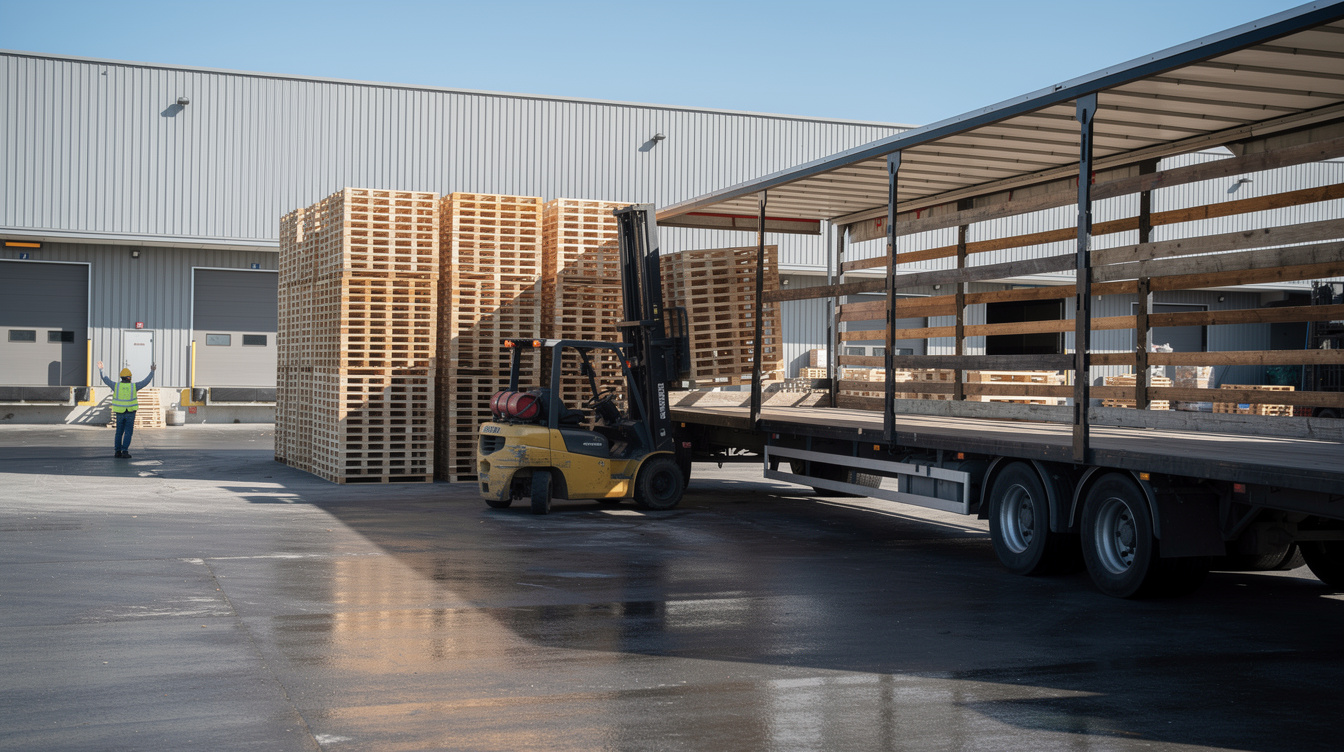
At Volmera, we've learned that yard management sits at a critical junction. When trucks wait hours at distribution centers because scheduling systems don't talk to warehouse systems, your fancy supply chain software loses value fast. The Volmera YMS addresses this specific bottleneck, but the broader point stands: software ROI depends entirely on how well pieces connect.
The circular economy push adds another layer. Companies aligning with ESG requirements through platforms like EFCAZ's supply chain solutions are discovering that sustainability investments create their own return profile. Reduced waste, better supplier relationships, access to ESG-conscious buyers.
Measuring What Matters
The most honest answer about supply chain software ROI in Brazil? It varies wildly based on three factors:
Integration quality determines whether you're adding capability or just adding complexity. Disconnected systems multiply problems.
Operational discipline matters more than features. The best software can't fix broken processes.
Baseline visibility affects everything. If you don't know your current costs accurately, calculating improvement becomes guesswork.
TOTVS reports that agribusiness advanced significantly in 2025 through digital consolidation and professional management practices. The companies seeing real returns weren't just buying technology. They were rebuilding workflows around it.
The Uncomfortable Truth
AI in supply chain operations is becoming a strategic obligation rather than a competitive advantage. Gimawa's analysis of the electrical supply chain makes this clear: companies adopting AI operate with lower costs and greater predictability. Those who don't will struggle to compete on price.
The ROI question is shifting from "will this investment pay off?" to "can we afford not to make it?"
But here's what I keep wondering: if everyone implements the same technologies, where does the competitive advantage actually come from?