The Real Problem With Truck Queues


I spent last week talking to a warehouse manager in Rondonópolis who told me something that stuck with me. "The queue isn't the problem," he said. "The queue is a symptom."
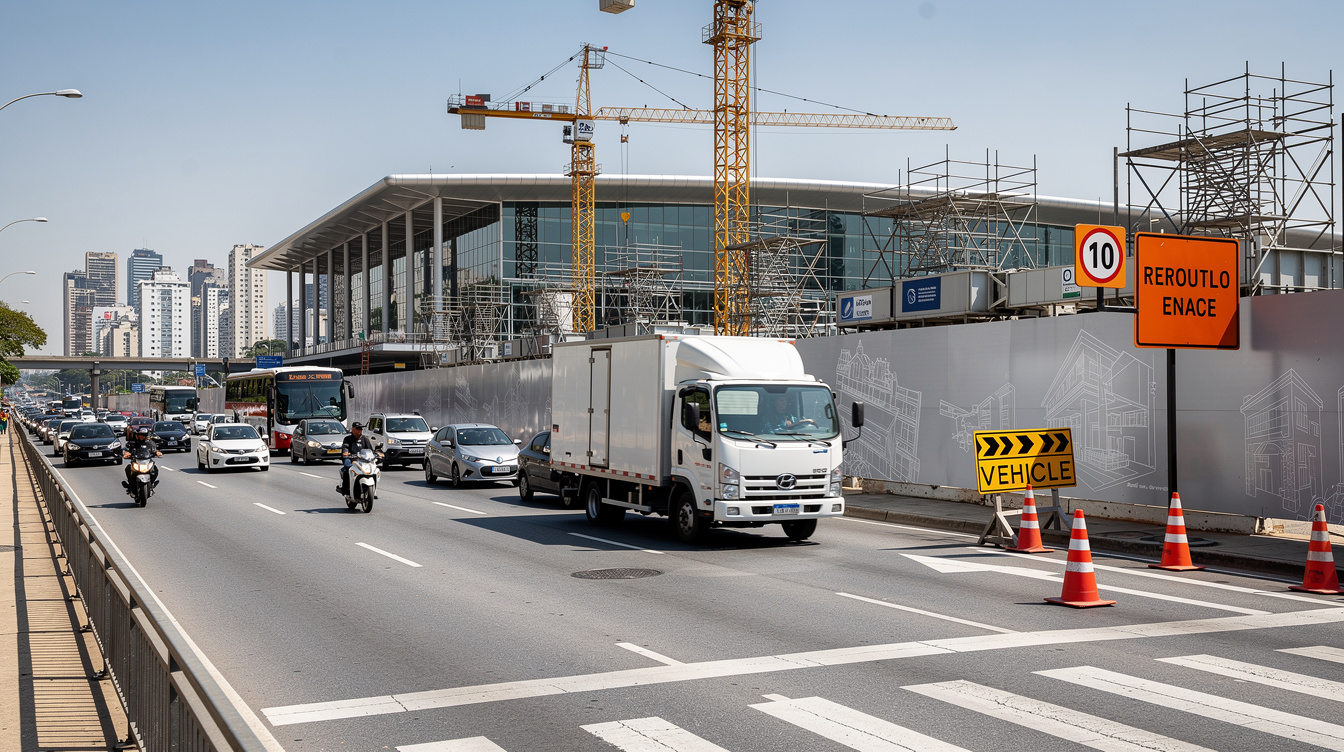
He's right. When you see 40 trucks lined up outside a grain warehouse during harvest, you're not looking at a queue management issue. You're looking at a planning failure that happened days or weeks earlier.
Why Traditional Solutions Fall Short
Most facilities try to solve queues by adding more dock doors or hiring extra staff during peak periods. These help at the margins, but they're expensive band-aids.
The real issue is information asymmetry. Drivers don't know when to arrive. Warehouse staff don't know who's coming. Everyone shows up at 6 AM hoping to be first, and suddenly you have a parking lot full of idling trucks and frustrated drivers.
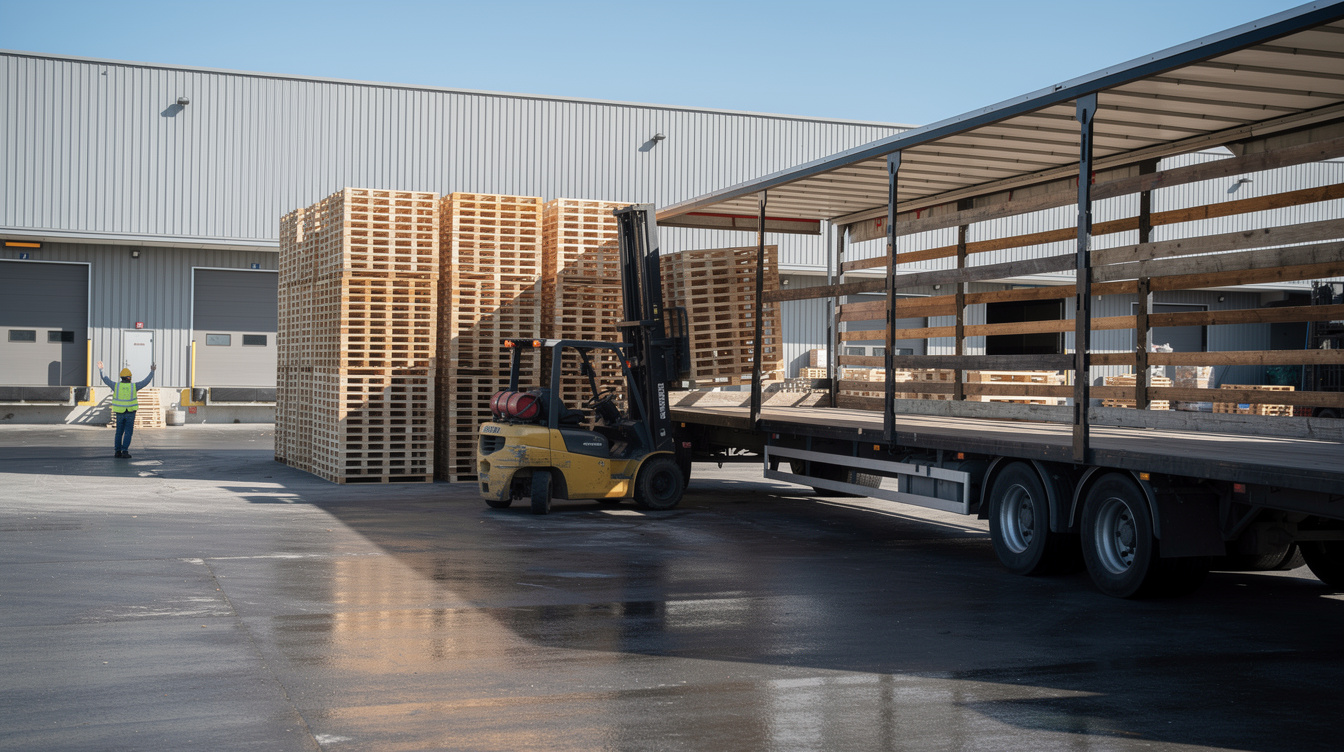
I've seen facilities where trucks wait 8 to 12 hours for a 30-minute unloading. That's not logistics. That's chaos with extra steps.
Scheduling Changes Everything
The facilities that handle harvest season smoothly have one thing in common: they moved from reactive to proactive management.
Pre-scheduled arrivals distribute truck flow throughout the day instead of concentrating it in the morning rush. When drivers know their exact time slot, they can plan their routes accordingly. Some even sleep at home instead of in the queue.
This isn't complicated technology. At Volmera, we've seen facilities cut average wait times by 60% just by implementing basic scheduling with real-time visibility. Drivers get updates on their phones. Warehouse staff see who's coming hours in advance. The chaos becomes predictable.
The Human Element Matters
Here's what the automation articles don't tell you: technology alone won't fix your queue problem.
I visited a facility last year that had invested heavily in automated weighing and scheduling software. Their queues were still terrible. Why? Because their team didn't trust the system. They kept overriding schedules, letting "VIP" transporters jump the line, making exceptions that cascaded into delays.
The best implementations I've seen combine good software with clear policies that everyone follows. No exceptions. The system only works when people believe in it.
Start With Visibility
If you're dealing with chronic queue problems, start simple. Before you automate anything, answer these questions:
Do you know how many trucks will arrive tomorrow? Do drivers know their expected wait time before they leave? Can your team see real-time status of every vehicle on site?
If you answered no to any of these, you have visibility gaps. Fix those first. A Volmera YMS or similar platform can provide this foundation, but the principle matters more than the specific tool.
The Deeper Question
Managing truck queues isn't really about trucks or queues. It's about respecting everyone's time in the supply chain.
What would your operation look like if every driver who arrived at your facility spent zero minutes waiting?