The Promise on Paper

Updated: Apr 2
The Promise on Paper
Espírito Santo is making headlines this week with renewed discussion about modal integration. The state sees an opportunity to strengthen its port infrastructure and connect different transport modes , rail, road, and sea , into a more competitive logistics network.
It sounds like exactly what Brazil needs. And conceptually, it is.
But here is the part that rarely makes it into the strategy documents: modal integration does not happen at the port. It happens in the yard.
Where Integration Actually Breaks Down
Think about what modal integration really means for a logistics operation. You have trucks arriving from inland routes. You have rail cars coming from producing regions. You have ships with tight berthing windows. Everything needs to converge, transfer cargo, and keep moving.
The vision is seamless flow. The reality, in most Brazilian operations today, is something else entirely.
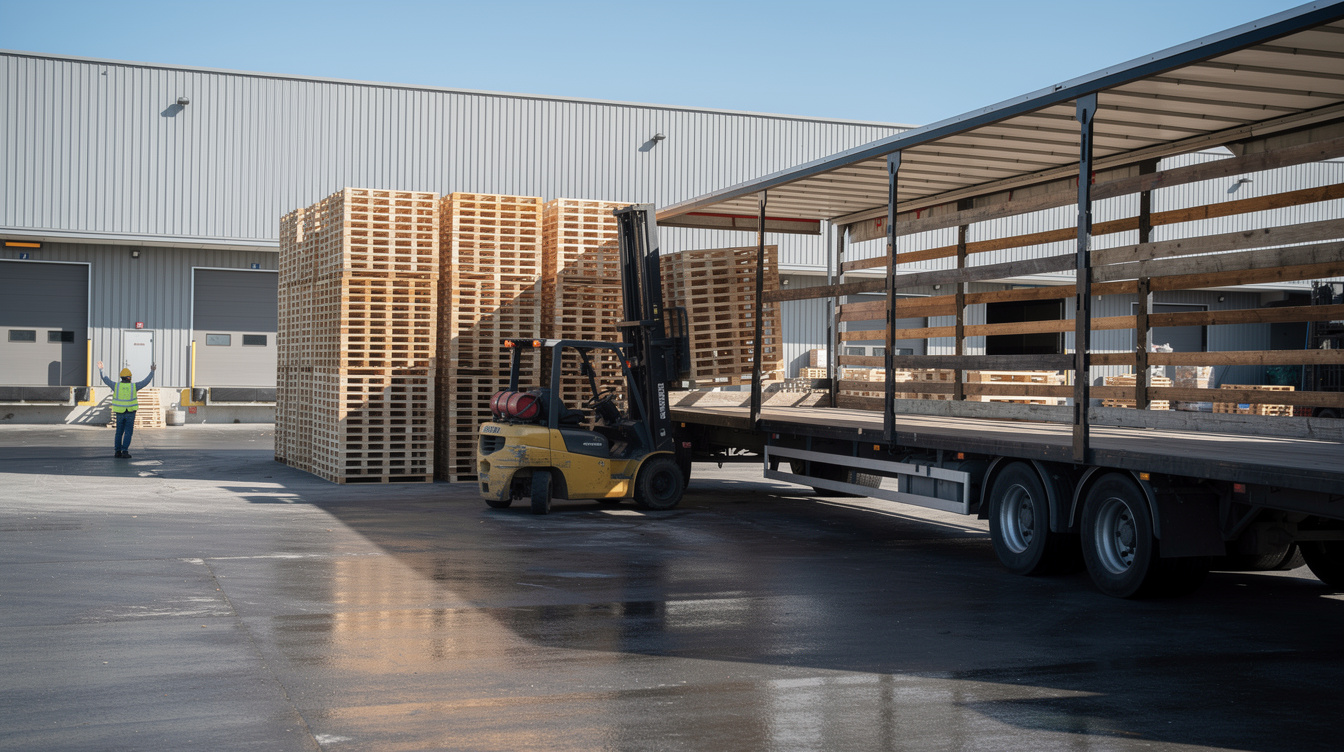
Trucks arrive without confirmed slots. Rail schedules do not communicate with yard systems. Dock assignments happen on paper or through phone calls. The result is that each transport mode operates in isolation, even when they share the same physical space.
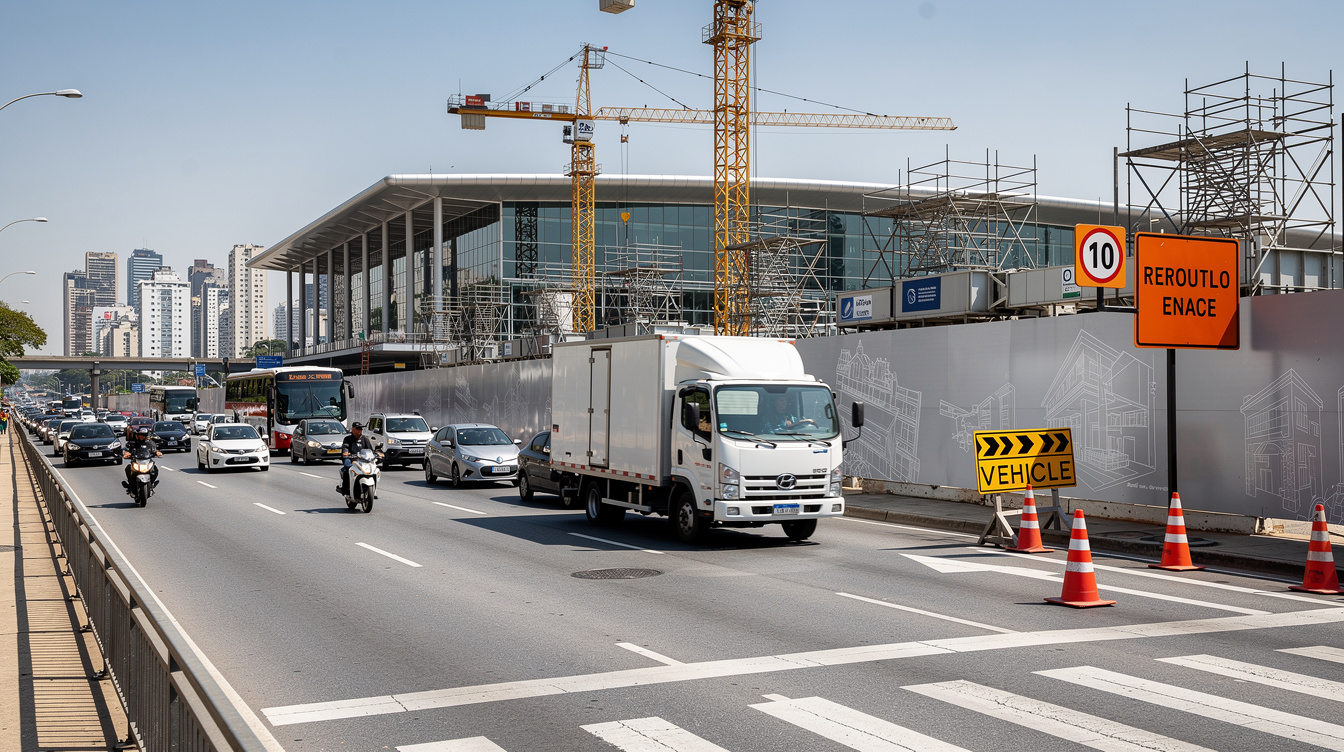
This is not an infrastructure problem. The roads exist. The rails exist. The ports exist. The breakdown happens in the last few kilometers , in the yards where cargo changes hands.
The Invisible Bottleneck
When a state government talks about modal integration, they typically mean building new connections. A rail spur to the port. A highway bypass. Better access roads.
These investments matter. But they assume that once cargo reaches the interchange point, everything flows naturally.
It does not.
Without visibility into what is happening in the yard , which trucks are waiting, which docks are available, which shipments are ready for transfer , you cannot coordinate multiple transport modes effectively. You end up with trucks queuing while docks sit empty. Rail cars waiting because no one communicated when they would arrive. Ships paying demurrage because the yard could not sequence the right cargo to the right dock at the right time.
Modal integration requires operational synchronization, not just physical connectivity.
What Real Integration Looks Like
The yards that actually achieve smooth modal interchange have something in common: digital visibility.
They know in advance what is coming. They have scheduling systems that assign specific time slots. They track dwell times and can identify where delays originate. They communicate with carriers before trucks and trains arrive, not after they are already queuing.
Volmera YMS provides exactly this foundation. Real-time yard visibility. Dock scheduling that coordinates arrivals. Digital slot booking that replaces the chaos of unannounced trucks. The operational layer that makes physical infrastructure actually work as intended. For operations pursuing true modal integration, Volmera can synchronize rail and truck arrivals against ship schedules, eliminate the communication gaps between transport modes, and provide the data layer that turns isolated operations into a coordinated flow.
Beyond State Borders
This is not just an Espírito Santo challenge. Every Brazilian state with port ambitions faces the same gap between infrastructure investment and operational reality.
Minas Gerais announced nearly R$ 5 billion in new investments to start 2026. Much of that flows toward logistics and industrial development. But investment in roads and facilities only delivers returns if the interchange points , the yards , can handle the increased flow.
The same logic applies to the Northern Arc ports, to Santos, to Paranaguá. Physical capacity means nothing if operational capacity cannot match it.
The Question Worth Asking
Brazil has spent decades building infrastructure. Rail lines. Port expansions. Highway improvements. The physical network is more connected than ever.
So why does cargo still get stuck?
If modal integration is truly the competitive advantage everyone agrees it should be, why do we keep treating the yard as an afterthought?