The Labor Shortage No One Talks About in Logistics


The Shift Nobody Wants to Work
A recent analysis of Brazil's job market revealed something that logistics managers already feel in their bones: yard and warehouse operations roles are among the hardest positions to fill, even when the pay is competitive.
The data showed that mid-level logistics positions often sit open for months. Not because the salaries are bad , some pay up to R$ 9,000 monthly , but because fewer people want jobs that involve standing in the sun coordinating truck movements, manually tracking arrivals on clipboards, and dealing with the chaos of unscheduled vehicles.
Meanwhile, North America's warehouse automation market is projected to grow at 17.5% annually through 2033, driven largely by the same problem: there simply aren't enough people willing to do repetitive, manual logistics work anymore.
The Brazilian Twist
Here's what makes this complicated for Brazilian operations: you can't just automate your way out of yard management the way a North American e-commerce warehouse might install robots.
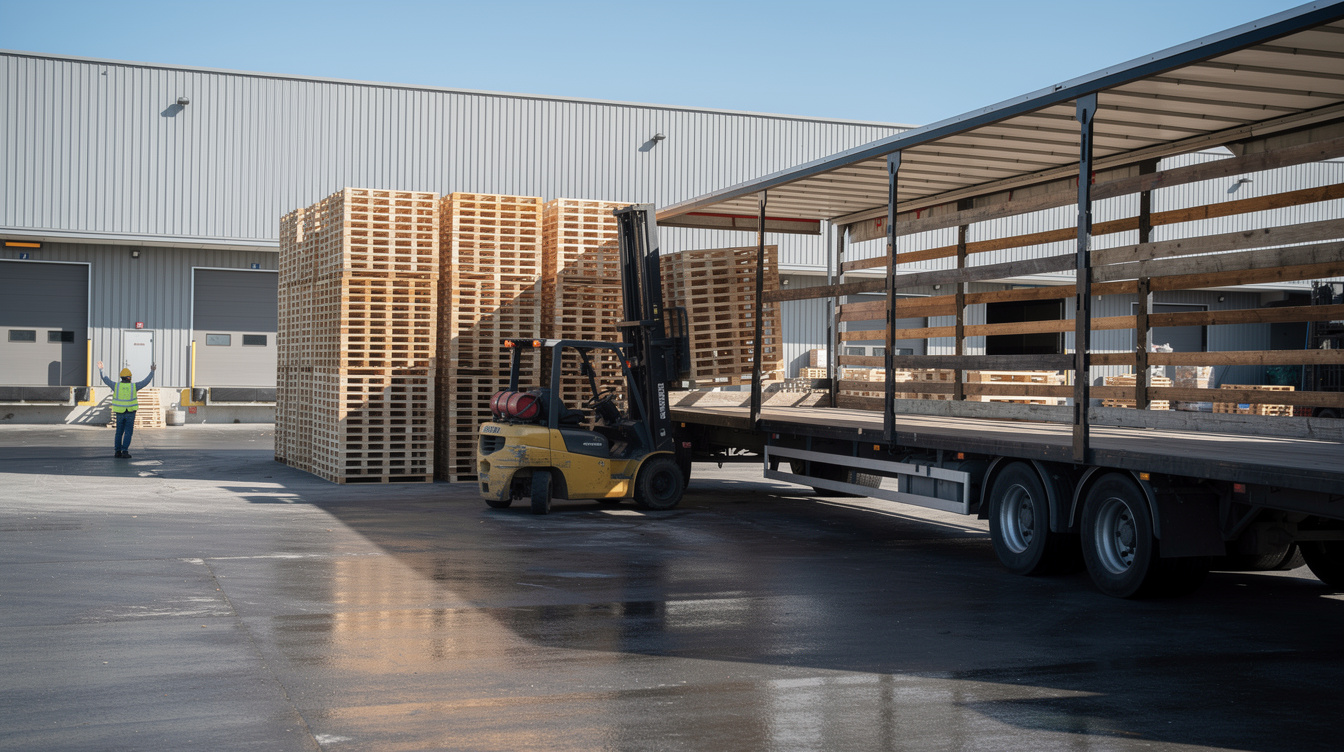
Yards are outdoor. They're dusty. They involve coordinating independent truck drivers who may or may not have smartphones. They require human judgment for the dozens of exceptions that happen daily , the truck that arrived early, the driver who can't find the right dock, the shipment that needs to be bumped up in priority.
You need people. But those people are increasingly hard to find and even harder to retain.
What Actually Drives People Away
Talk to anyone who has worked yard coordination and you'll hear the same complaints:
The job is reactive. You spend your day putting out fires instead of managing operations. Trucks show up randomly. Drivers get angry about wait times. Someone in the office wants to know where a specific container is, and you have to physically walk outside to check.
There's no system. Everything runs on radio calls, WhatsApp messages, and memory. When something goes wrong, fingers point everywhere because there's no record of what actually happened.
It's thankless. When things go smoothly, nobody notices. When there's a problem, you're the first person blamed.
These aren't technology problems. They're dignity problems. People don't want jobs that feel chaotic and blame-prone.
Making the Job Manageable
The operations that retain good yard coordinators tend to share something in common: they've given their people tools that make the job feel professional rather than chaotic.
When truck arrivals are scheduled in advance, coordinators aren't firefighters. They're traffic controllers with a plan. When dock assignments are visible in a system, there's no more running outside to check status. When there's a digital record of every arrival and departure, blame games disappear because the data speaks for itself.
A proper Yard Management System doesn't replace the humans in your operation. It makes their jobs worth keeping.
The Math Nobody Does
Most logistics managers calculate ROI on automation by looking at labor costs they can eliminate. But there's another calculation that matters more: what does it cost when your experienced yard coordinator quits because the job is unbearable?
Recruiting costs. Training time. The mistakes a new person makes while learning. The institutional knowledge that walks out the door.
Retention isn't just an HR metric. It's an operational stability metric.
Building Jobs People Actually Want
The next generation of logistics workers has options. They can drive for apps. They can work in air-conditioned call centers. They can take online courses and move into office roles.
If yard operations want to compete for talent, they need to offer more than competitive pay. They need to offer professional tools, clear processes, and work that doesn't feel like daily chaos.
This isn't about coddling employees. It's about recognizing that your operation's stability depends on people choosing to stay.
What would change in your operation if your yard team actually wanted to be there?