The 3PL Paradox


The 3PL Paradox
Third-party logistics providers sit in a strange position. They manage complexity for their clients. They absorb the chaos so shippers can focus on their core business. They promise efficiency, visibility, and cost control.
But here is the paradox: many 3PLs operate their own yards with the same manual processes they help clients escape.
The 3PL market across Latin America continues to expand rapidly. Mexico's market alone is projected to reach USD 27 billion by 2034. The Philippines expects similar growth. And in Brazil, the demand for outsourced logistics keeps climbing as companies look to reduce fixed costs and access specialized expertise.
Yet growth creates its own problems.
When Your Business Model Is Absorbing Complexity
A manufacturer who experiences yard congestion loses money. A 3PL who experiences yard congestion loses clients.
This is the fundamental difference. When you are the service provider, operational failures hit your reputation directly. Every truck that waits too long at your dock is a truck whose owner might choose a different partner next time.
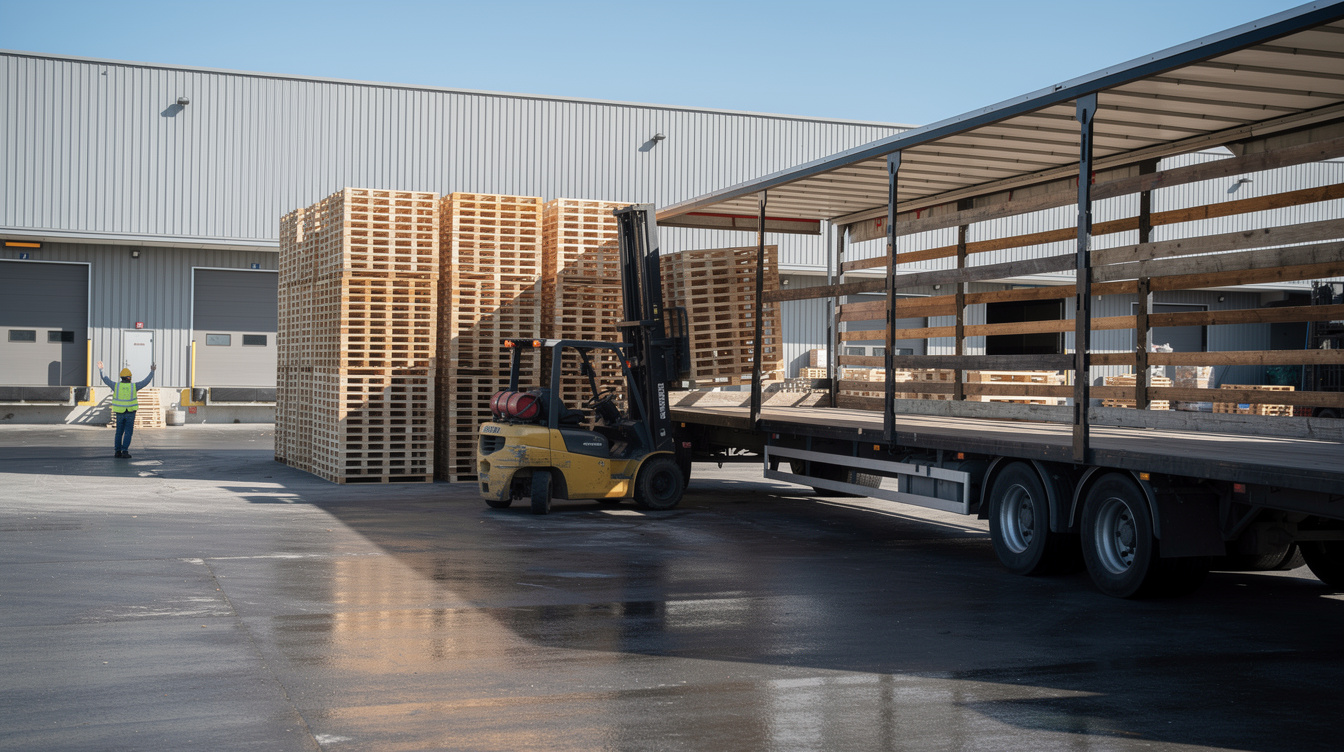
3PLs handle multiple clients simultaneously. Different arrival patterns. Different unloading requirements. Different priority levels. Different billing structures. All converging on the same physical yard.
Without a system to manage this convergence, the yard becomes a negotiation zone. Which truck gets the dock first? Who waits? Who complains to their account manager?
These questions get answered reactively instead of systematically.
The Visibility Gap Clients Notice
When a shipper outsources to a 3PL, they expect to gain visibility, not lose it.
But many 3PLs struggle to answer basic questions: Where is my shipment right now? How long did it sit in your yard? Why did unloading take six hours instead of two?
These are not unreasonable questions. They are the exact questions the 3PL themselves would ask if they were the client.
The problem is that without yard management infrastructure, these answers require manual reconstruction. Someone has to check gate logs. Someone has to call the dock supervisor. Someone has to piece together a timeline from memory and paper records.
By the time the answer arrives, the client has already formed an opinion about the service level.
The Margin Squeeze Nobody Talks About
3PLs operate on thin margins. This is industry reality. The competitive pressure to win contracts often means pricing assumes operational efficiency that does not yet exist.
When yards run inefficiently, the gap between assumed costs and actual costs widens. Detention charges accumulate. Labor hours extend beyond plan. Equipment sits idle waiting for space.
These costs rarely get passed back to clients. They get absorbed. And absorbed costs eventually threaten the business model itself.
The 3PLs that will thrive in a growing market are the ones who treat yard operations as a profit center to optimize, not just a cost center to endure.
What Systematic Yard Management Changes
When a 3PL implements real yard management, several things shift.
Dock scheduling becomes predictable. Carriers receive specific time slots instead of vague windows. Arrival patterns smooth out because everyone knows when to show up.
Visibility becomes automatic. The system knows which trucks are on site, which are at docks, which are waiting. Clients can get answers without anyone making phone calls.
Billing becomes defensible. When detention occurs, there is a clear record of why. Disputes decrease because facts replace arguments.
And most importantly, capacity becomes knowable. The 3PL can actually measure how much throughput their yard supports and plan growth accordingly.
The Question Worth Asking
If your clients chose you because you promised to handle logistics complexity better than they could themselves, what does your own yard say about that promise?