Red Sea Tensions Are Rerouting Brazilian Fruit Exports: What Carriers Should Be Doing Now

Updated: Apr 14

Brazilian fruit exporters face route disruptions as Red Sea tensions block standard shipping lanes to Asia. For domestic carriers, this creates immediate pressure as export-bound cargo redirects to local markets and scheduled freight plans collapse.
The Route That No Longer Works
Tensions in the Red Sea have disrupted the shipping lanes that carry Brazilian apples, mangoes, and melons to Asian markets. Brazil is in its fruit entressafra, the off-season lull between harvests, but apple season is approaching fast.
Exporters are already adjusting plans. Alternative routes around the Cape of Good Hope add weeks to delivery schedules and significant cost to perishable cargo with limited shelf life. Shipments that typically flow through the Suez Canal now face route uncertainty that compounds daily.
Why This Matters for Domestic Freight
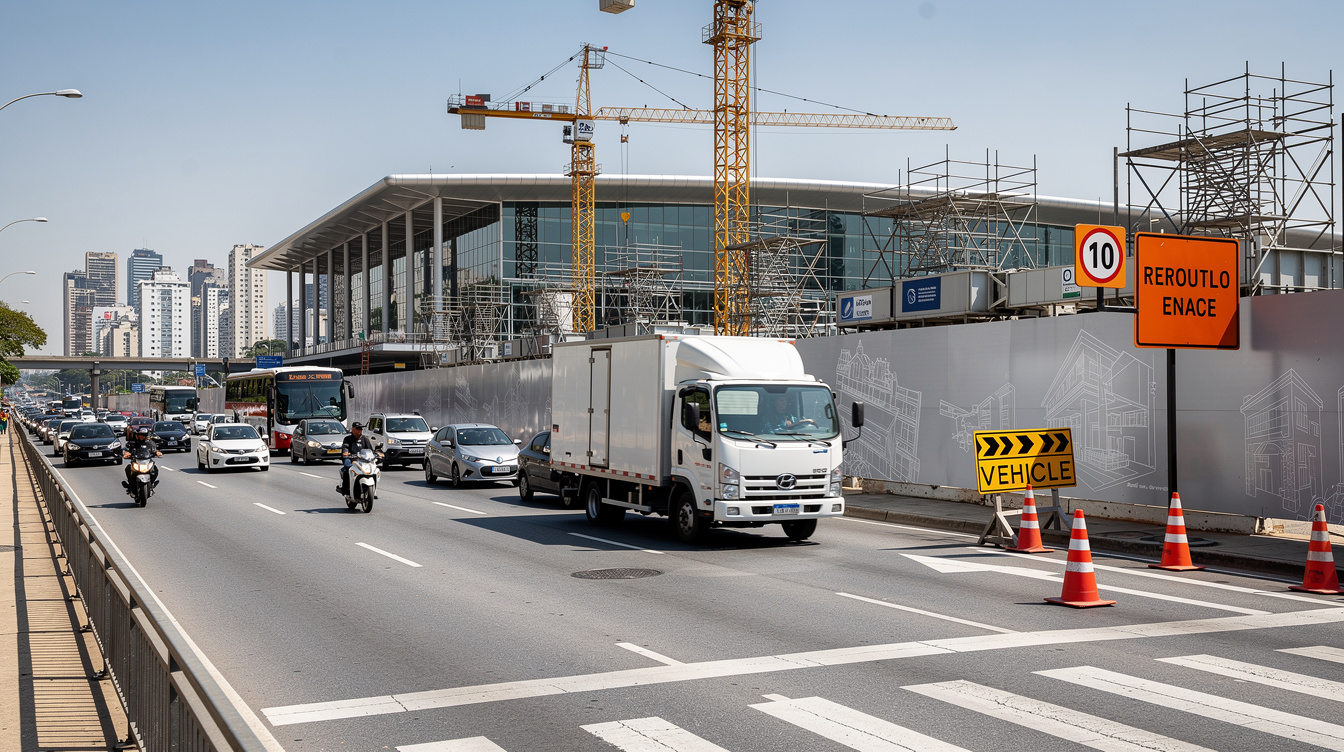
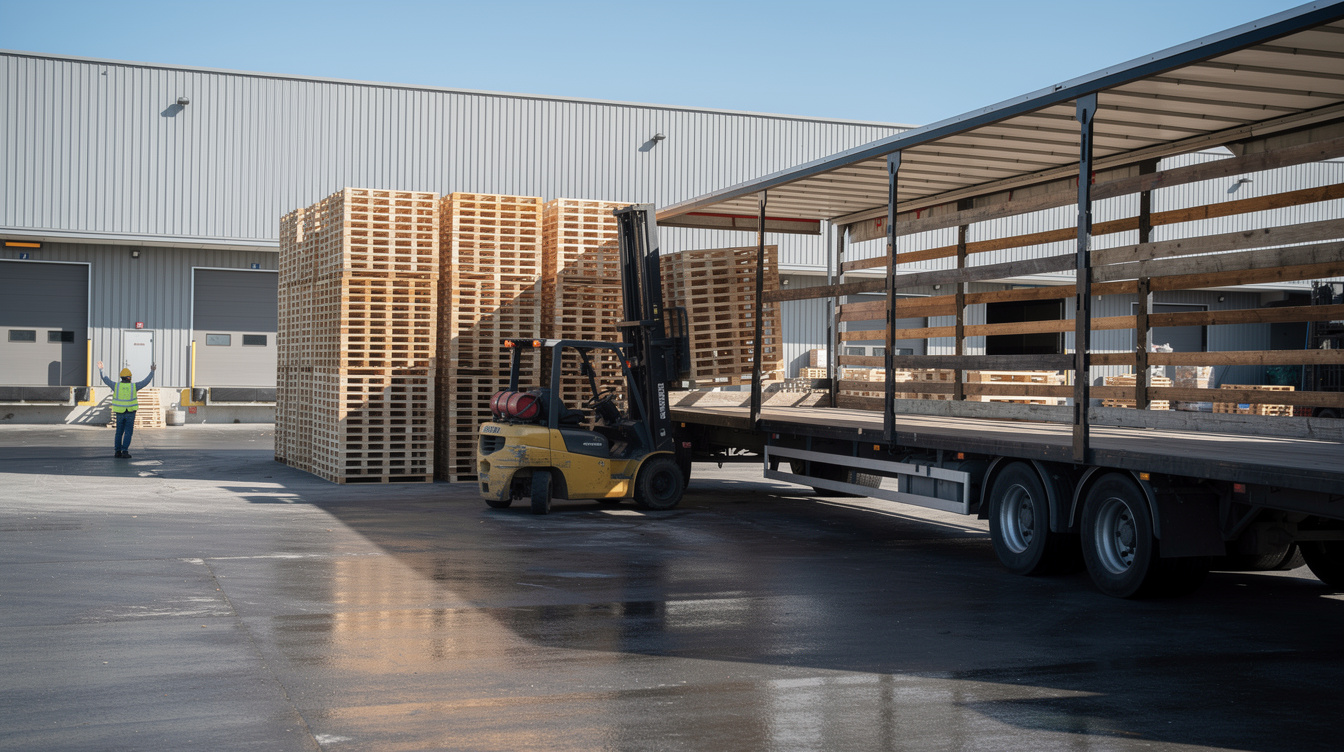
When export routes become unreliable, pressure shifts backward through the supply chain. Fruit that cannot ship internationally redirects to domestic markets. Cold storage facilities that expected to clear inventory for export now hold product longer. Trucks that normally haul fruit from orchards in Santa Catarina and Rio Grande do Sul to port terminals face schedule disruptions that cascade into other commitments.
Disrupted exports affect every carrier whose capacity planning assumed normal flow. A truck scheduled to haul apples to Itajaí for export might suddenly need to reroute to São Paulo for domestic distribution. The carrier who counted on that backhaul from the port now faces an empty return trip with no pre-arranged load.
Smart Operators Match Capacity in Real Time
Carriers who navigate export disruptions successfully are those who can find alternative loads quickly. When scheduled freight falls through because an export shipment got delayed, operators need visibility into what else is moving in their region. They need it now, not tomorrow.
Volmera Freight Marketplace does this. Carriers can see available freight in real time rather than calling brokers and hoping someone has a load heading their direction. Shippers whose export plans changed can post loads needing domestic redistribution. Matching happens quickly enough that trucks stay moving.
What Export Disruption Reveals
The Red Sea situation will eventually stabilize. But the vulnerability it exposes is permanent: supply chains built on rigid routes and scheduled freight will always struggle when those schedules break.
Every time global trade routes shift, the same pattern emerges. Operators with visibility adapt within hours. Operators without visibility absorb losses while waiting for information. Brazilian fruit exports to Asia represent a significant and growing market. Carriers serving that supply chain benefit from building matching capabilities before the next disruption arrives.
What would your operation look like if your primary freight lane disappeared for a month?