How to Eliminate Random Truck Arrivals

Last month I visited a distribution center in São Paulo where the yard manager showed me his scheduling system. It was a whiteboard with magnets. Different colors for different carriers. He'd been using it for eleven years.
The trucks still showed up whenever they wanted.
The Real Problem Isn't the Trucks
Random arrivals happen because nobody faces real consequences for being early, late, or completely off schedule. Drivers optimize for their own routes. Carriers stack multiple pickups. Shippers request "morning delivery" windows that span four hours.
According to recent analysis from Modal Connection, predictive tracking and IoT sensors can now provide real-time data on truck arrivals by cross-referencing traffic and weather variables. The technology exists. But technology alone doesn't change behavior.
What changes behavior is making the schedule matter.
Three Things That Actually Work
Appointment systems with teeth. This means carriers who miss windows get pushed to the next available slot, not squeezed in because "they're already here." It feels harsh the first few weeks. Then patterns shift.
Visibility that reaches the driver. Most scheduling happens between dispatchers and warehouse coordinators. The actual driver finds out their window through a game of telephone. When drivers can see their slot directly and get alerts about delays, they start planning differently.
Yard data that creates accountability. At Volmera, we've seen facilities cut random arrivals by 40% simply by sharing dwell time reports with carrier partners. Nobody wants to be the worst performer on a list that gets reviewed monthly.
The Infrastructure Reality
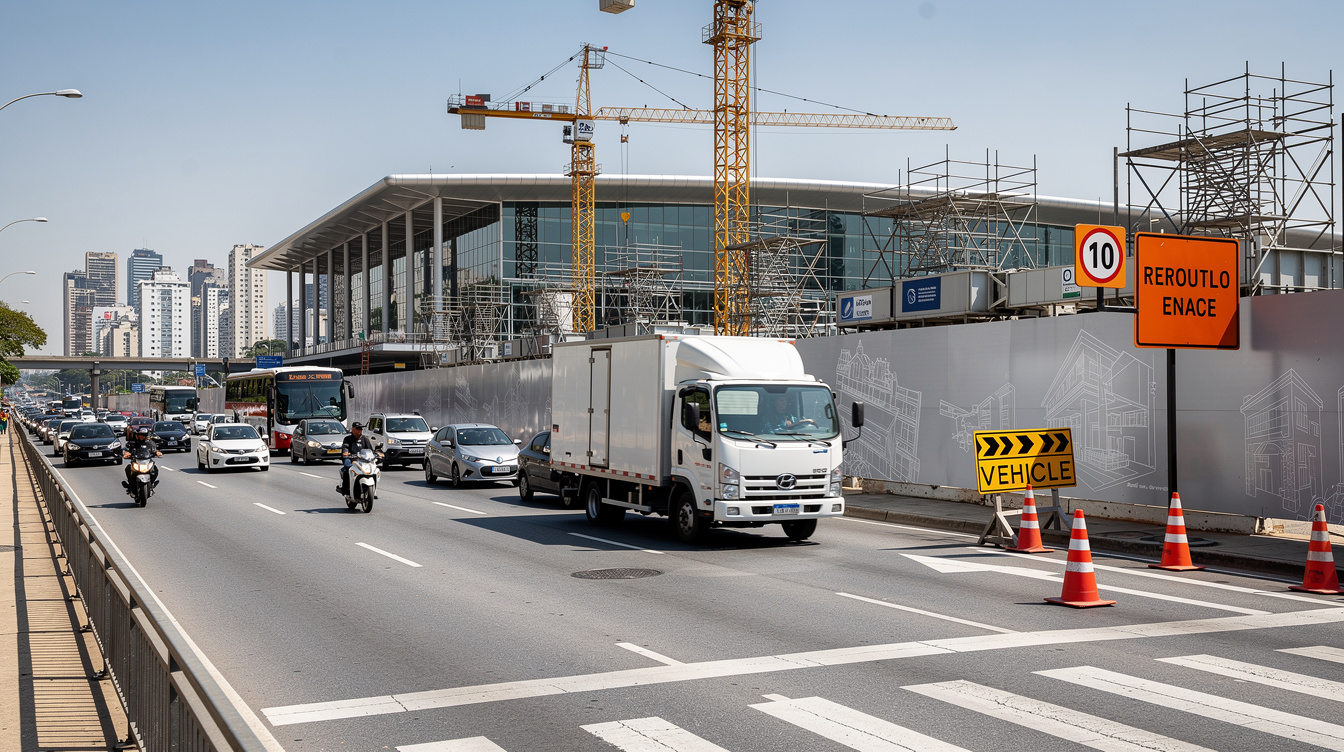
Brazil's logistics sector faces what SETCESP calls "gargalos logísticos" heading into 2026. The completion of the northern section of São Paulo's Rodoanel in December 2025 helps, but road infrastructure only solves part of the puzzle. The connections between highway and yard remain chaotic at most facilities.
When I look at operations using Volmera YMS, the difference isn't just scheduling software. It's that everyone in the chain, from dispatcher to guard booth to dock, works from the same information. Randomness thrives in information gaps.
What This Means for Your Operation
Start measuring. You cannot eliminate what you cannot see. Track actual arrival times against scheduled times for two weeks before changing anything else.
Then ask the uncomfortable question: what percentage of your "random" arrivals are actually caused by your own unclear communication with carriers?
What would your operation look like if every truck arrived within its scheduled window?