Brazil's Northern Arc: The Logistics Corridor That Could Reshape Global Grain Trade

Updated: Mar 27

Seven days. That's how much time the Northern Arc route through Brazil's Maranhão state can shave off grain shipments to Europe and Asia compared to traditional southern port routes. The Investe Maranhão delegation just returned from Panama with this exact value proposition in hand, looking to position the state as a critical link in global supply chains.
But here's the problem nobody wants to talk about: Brazil keeps building infrastructure without the operational systems to make it work.
The Northern Arc Promise
The concept is elegant. Instead of trucking soybeans and corn thousands of kilometers south to Santos or Paranaguá, you move them north. The ports of São Luís in Maranhão and Vila do Conde near Belém offer shorter routes to major markets. The Panama Canal connection cuts transit times dramatically.
Santa Catarina is experiencing a warehouse shortage right now, with billions being poured into port expansion. Douglas from Garuva's new shared investment facility put it perfectly: the next phase of Brazilian logistics won't be led by whoever builds more, but by whoever builds where Brazil will need to operate better.
The Northern Arc is supposed to be that "where."
But Ferrogrão Just Derailed Again
The auction for Ferrogrão, the rail line that would connect Mato Grosso grain production directly to northern ports, has been pushed beyond 2026. Again. Academic researchers are already suggesting alternatives: using the Tocantins Waterway to feed cargo from the North-South Railway to Vila do Conde, or increasing volume at São Luís grain terminals.
The harsh reality, as one researcher noted, is that Brazil doesn't have a state logistics plan. We have government plans that change every election cycle.
What This Means for Terminal Operators
Without Ferrogrão, the pressure on existing northern terminals intensifies. More trucks compensating for missing rail capacity. Longer queues. More detention fees eating into margins.
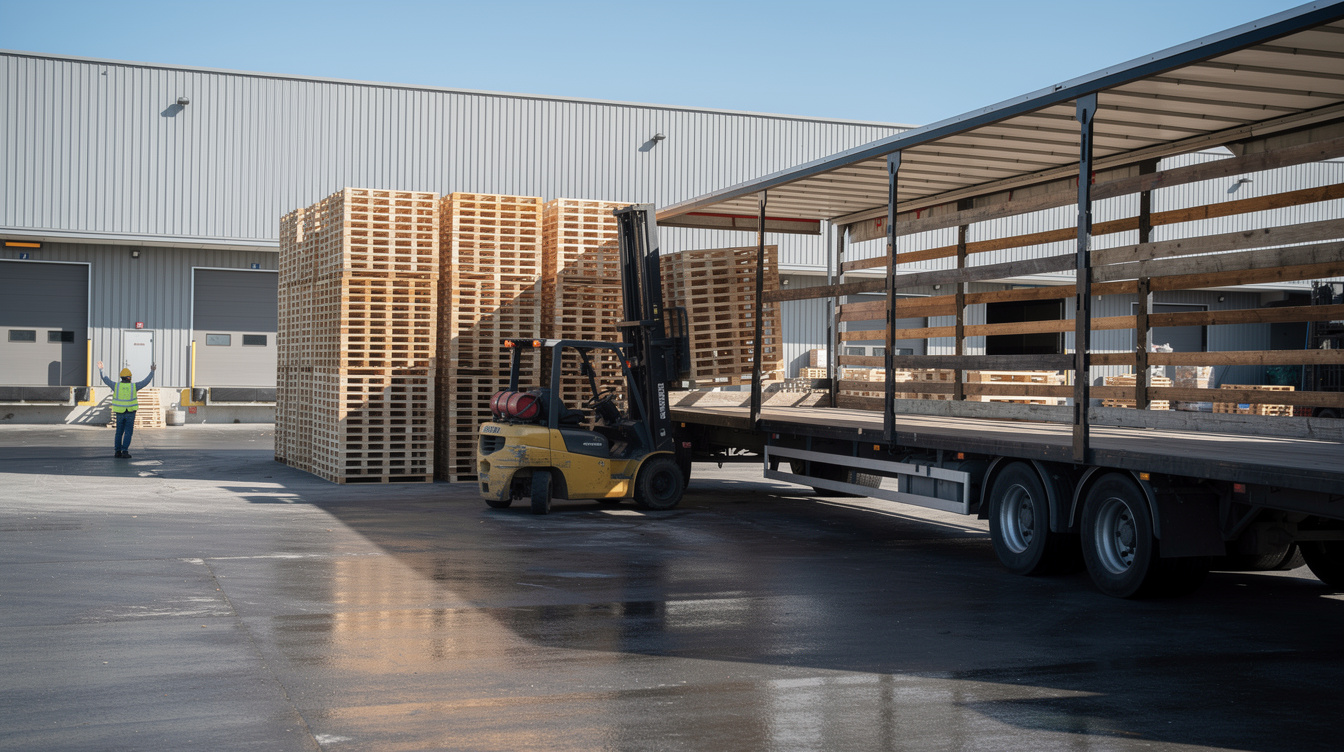
I've seen this pattern repeatedly. Massive infrastructure investment announcements followed by operational chaos at the ground level. A terminal can have the most modern equipment in Latin America, but if trucks are waiting 18 hours for a dock slot, you're burning money.
This is exactly why we built Volmera YMS. The Northern Arc terminals scaling up right now need real-time yard visibility and automated scheduling before they need another crane. The bottleneck isn't at the ship. It's in the yard.
The Truckers Aren't Waiting
March 19th was supposed to be a decisive day for Brazilian logistics, with autonomous haulers threatening a general strike. The sector remains on edge. When truckers stop, so does the grain that's supposed to flow north.
Add the Middle East instability affecting global shipping routes and fuel costs, and you have a perfect storm. Brazilian logistics operators are feeling direct and indirect impacts throughout 2026, from freight rate volatility to rerouted vessels avoiding conflict zones.
Where Do We Actually Go From Here?
The Northern Arc isn't just a logistics corridor. It's a test of whether Brazil can coordinate infrastructure, technology, and operations at scale. The physical pieces are coming together, slowly. Ports are expanding. Alternative routes are being mapped.
But who's digitizing the yards that will handle all this new volume?