Brazil's Minimum Freight Floor Returns: Why Yard Efficiency Now Determines Who Survives

Updated: Apr 14

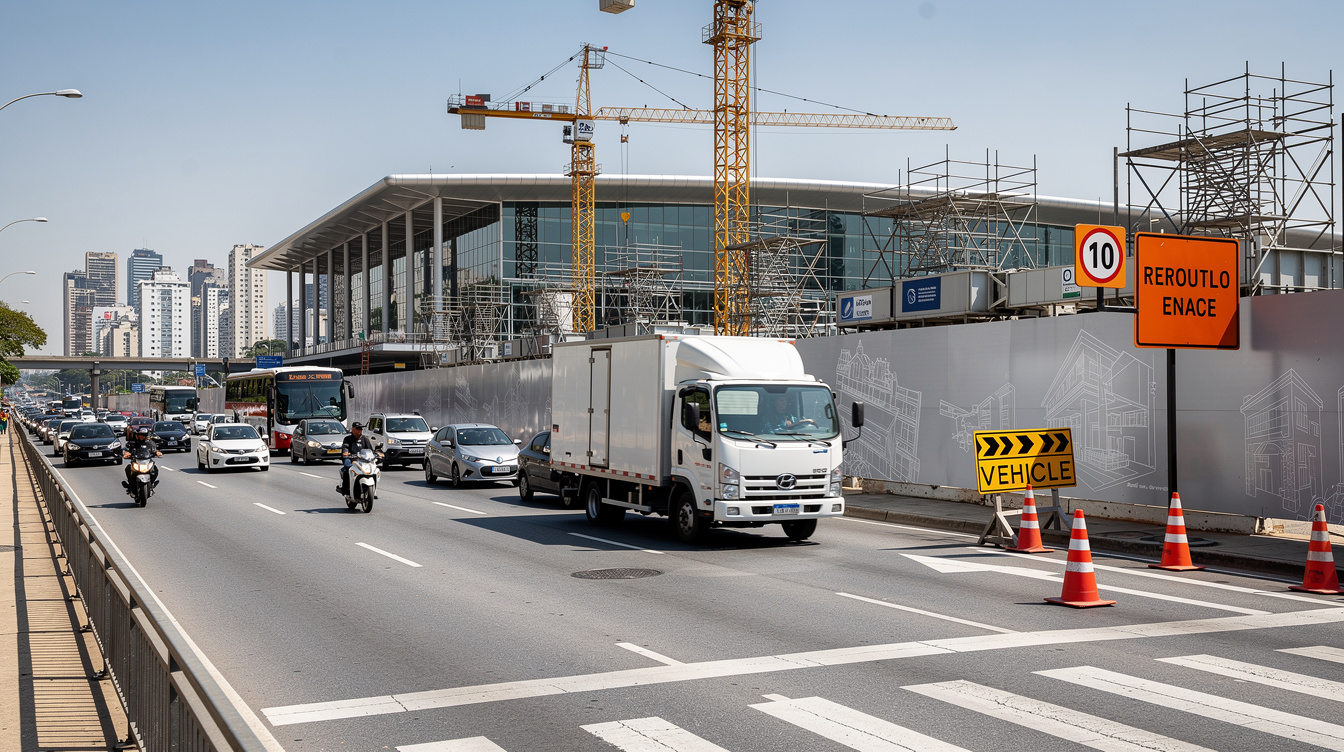
Brazilian trucking operators now face renewed freight floor enforcement under Provisional Measure 1.343/2026, with ANTT, Congress, and the Supreme Court all involved in compliance oversight. The operators most exposed are those who cannot document where their costs actually originate.
What This Actually Means for Operations
The freight floor protects independent truckers from predatory pricing, but implementation creates operational complexity. When minimum rates rise, shippers seek efficiency gains elsewhere. Carriers operating on thin margins find those margins compressed further.
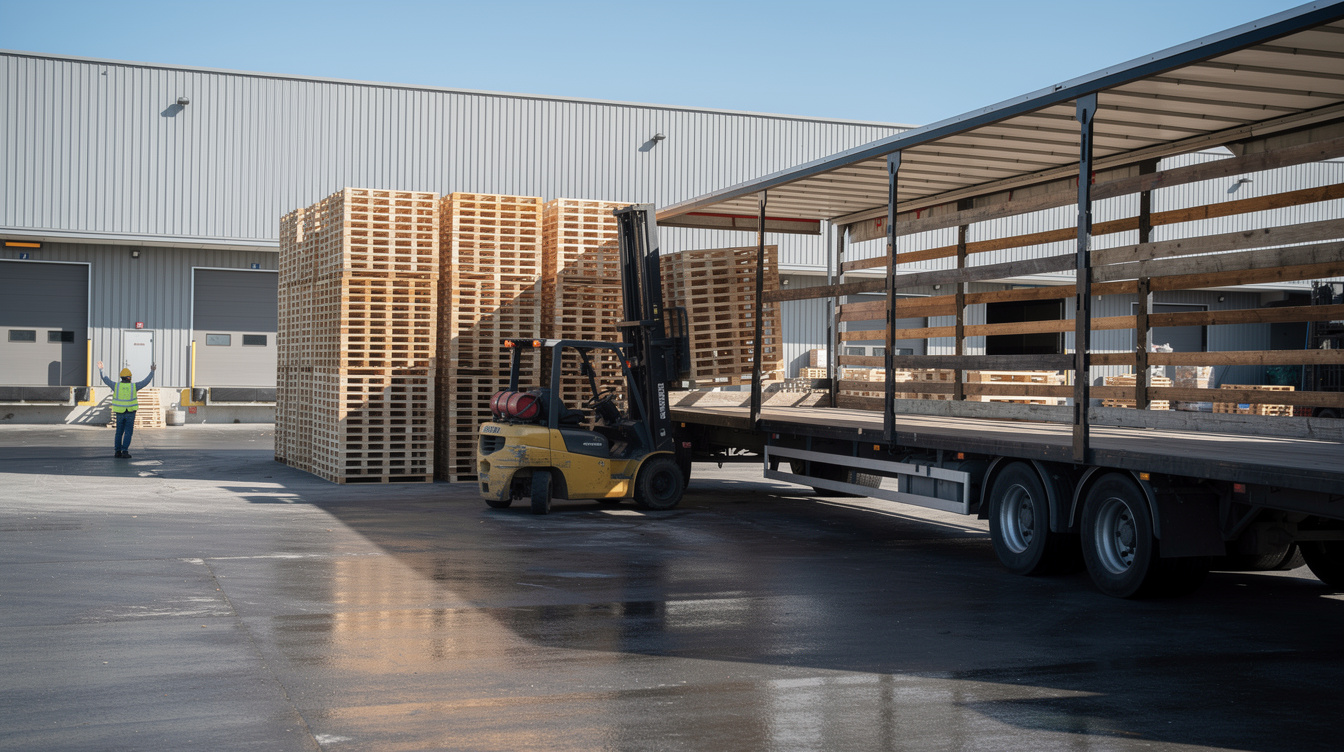
The operators caught in the middle are those who cannot demonstrate their actual cost structure. Many run facilities where trucks wait unpredictably, where detention events go untracked, where dock utilization remains unmeasured.
Without yard level data, calculating true cost per load becomes guesswork. Without documentation of dwell times and processing delays, proving operational costs to regulators or partners requires estimation rather than evidence.
Visibility Creates Compliance Leverage
Operators with yard visibility occupy a different position during enforcement cycles. Facilities tracking truck movements can document exactly how long each vehicle spends on premises. Operations recording detention events can show regulators precise data on processing efficiency.
Volmera YMS provides this documentation foundation. Dock scheduling creates arrival patterns that generate records automatically. Truck slot booking establishes clear timestamps for when vehicles were expected versus when processing completed. Real time yard visibility produces the operational data that transforms compliance from estimation into straightforward reporting.
The Operators Who Thrive in Regulated Markets
Freight regulations follow predictable cycles of tightening and adjustment. Companies lacking visibility scramble during each enforcement wave. Companies with operational data adapt their reporting and continue operating.
The specific provisions of MP 1.343/2026 will evolve through ANTT rulemaking and court review. Enforcement intensity will fluctuate across regions and administrations.
Operational visibility provides consistent advantage regardless of regulatory specifics. Facilities that track yard activity can price loads accurately, demonstrate compliance through documentation, and identify cost origins precisely.
The next regulatory shift is already forming somewhere in Brasília. When those rules arrive, will your operation scramble to reconstruct cost data, or pull up a dashboard that already displays it?