353 Million Tons of Grain, Nowhere to Put It

Brazil will harvest 353 million tons of grains in 2026. The largest harvest in history. And more than 130 million tons of that will have nowhere to go.
Let that sink in. A country producing enough food to feed continents cannot store what it grows. The crops exist. The demand exists. The infrastructure to connect them does not.
The Real Cost of "Good Enough"
This storage gap is not a new problem. It is the same problem Brazil has failed to solve for decades. Wikipedia's agriculture page still lists "lack of investment" as the main obstacle to distribution logistics. That assessment was written years ago. Nothing has changed.
What has changed is the pressure. Trucking rates along the Sorriso-Miritituba corridor are averaging 12% higher than 2024. New freight cost floor regulations are adding legal complexity on top of demand-driven increases. Every bushel that cannot be stored becomes a bushel that must move immediately, at whatever rate the market demands.
The math is brutal. Higher transport costs. Lower commodity prices. Margins that were already thin are now disappearing.
When Your Biggest Customer Sends Your Ships Back
China returned approximately 20 ships carrying Brazilian soybeans this year. The reason? Impurities in the cargo. Sanitary standards that Brazil failed to meet.
This is what happens when logistics operates in crisis mode. When storage is inadequate, grain sits where it should not. Quality degrades. Contamination happens. And suddenly, the world's largest food importer is forcing your government to negotiate basic sanitary standards.
The reputational damage is harder to measure than the immediate financial loss. But it compounds.
Global Pressure Meets Local Chaos
The Strait of Hormuz and Suez Canal disruptions are now directly affecting Brazilian agribusiness. ABIOVE and other associations are urging government action as shipping routes become unpredictable. Fertilizer costs are climbing. Fuel is climbing. The 2026/27 planning season is already being shaped by events in the Middle East.
Brazilian farmers cannot control geopolitics. They can control what happens between the field and the port.
Where Visibility Actually Matters
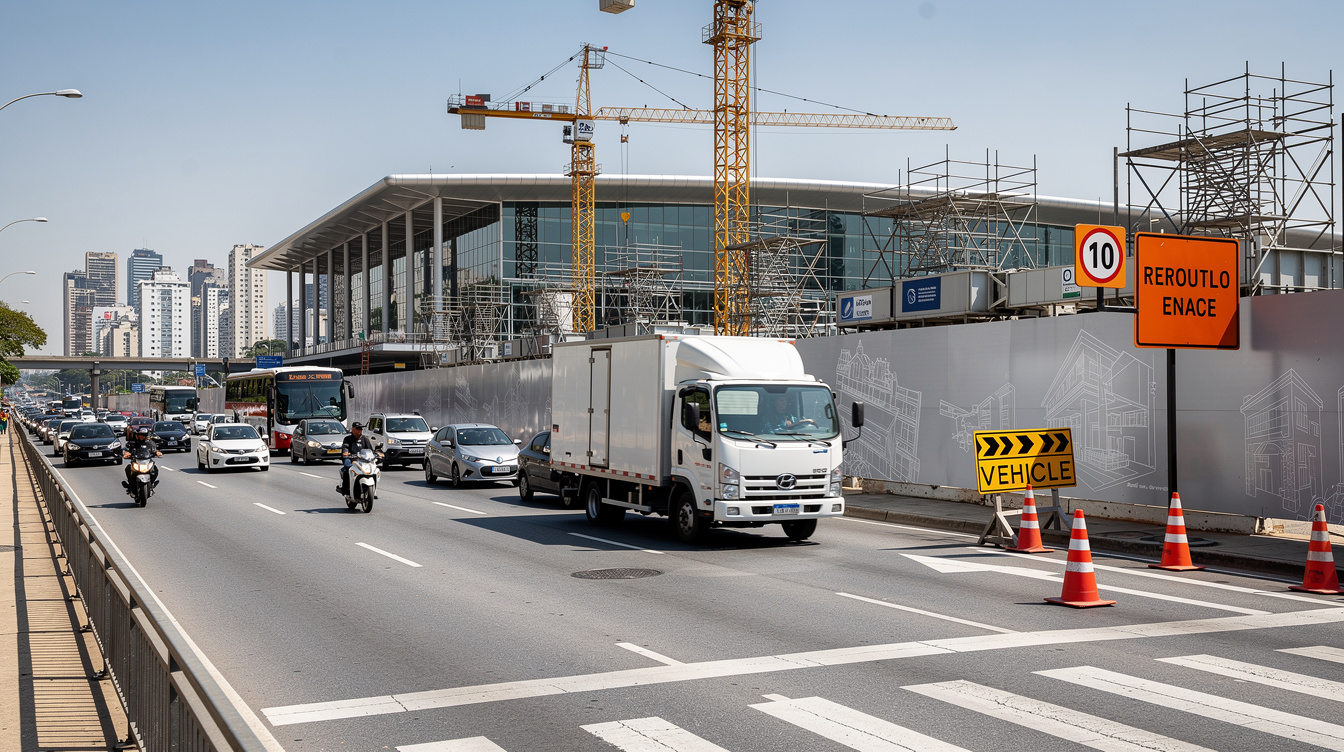
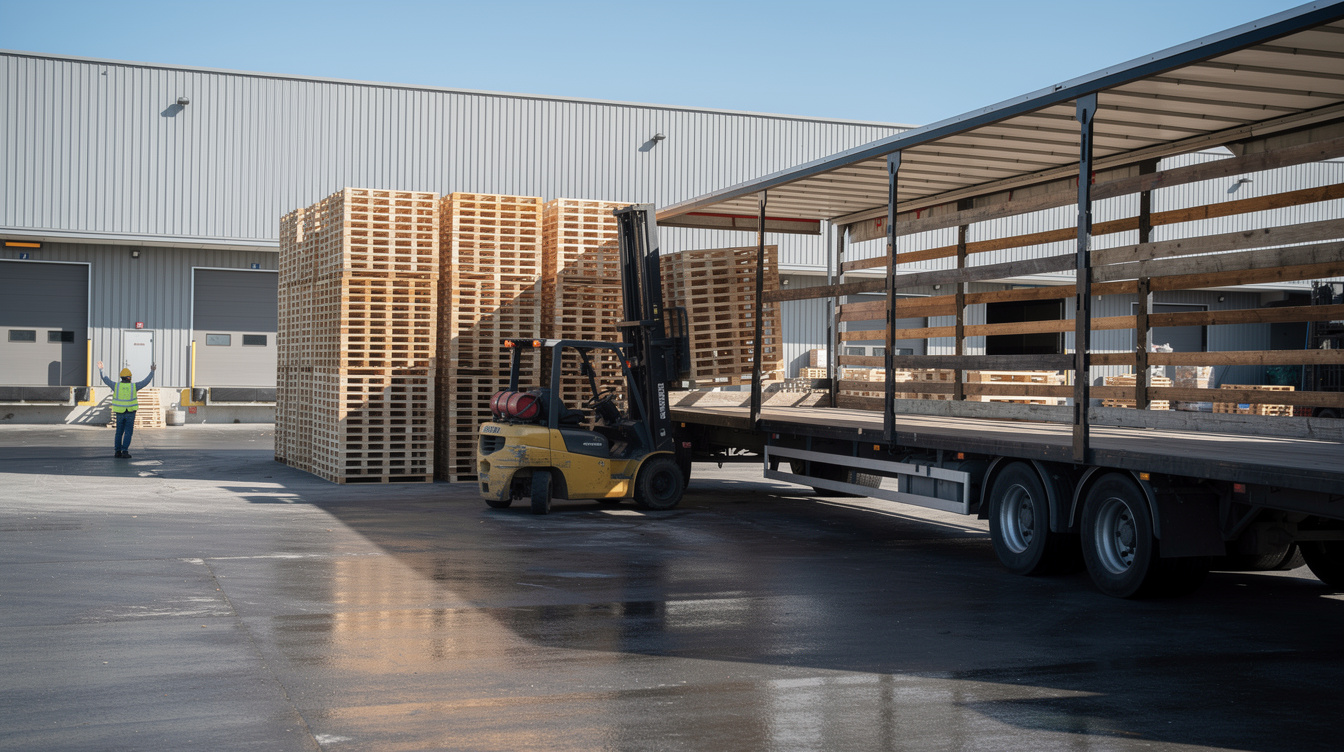
The irony is that much of this inefficiency happens in the spaces between. Trucks waiting at mill yards. Containers sitting in ports without clear status. Grain moving through supply chains where nobody knows exactly where anything is at any given moment.
This is where systems like Volmera YMS create real impact. Not through magic, but through basic visibility. Knowing what truck is where. Knowing which dock is available. Knowing before the problem becomes a crisis.
The farms are world-class. The ports are expanding. The middle is chaos.
A Question Worth Asking
If Brazil can produce 353 million tons of grain but cannot store 130 million of it, is the country actually a global benchmark in agriculture? Or is it just a very large farm with a very small pantry?
What would it take to finally close that gap?