When Rio Grande's Port Expansion Adds 270 Meters of Quay, Yard Operations Must Scale to Match


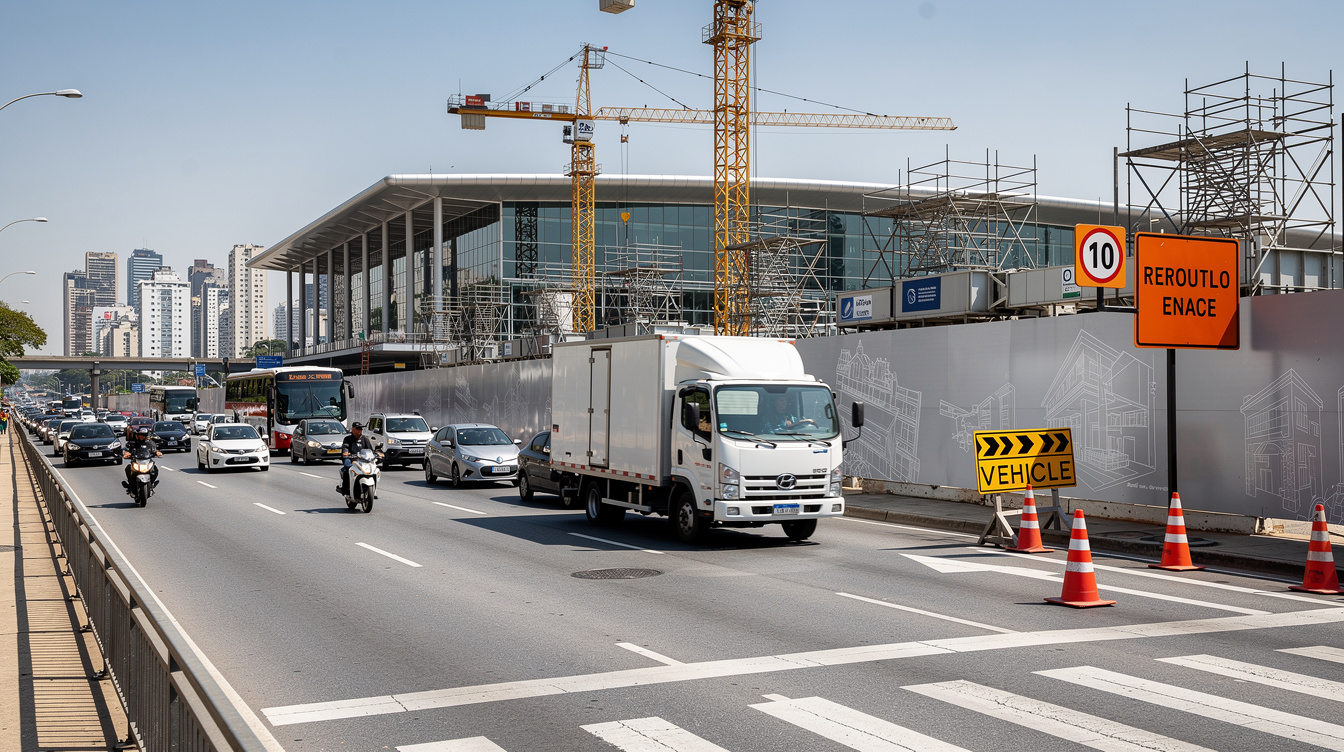
A major port operator announced a R$1.1 billion expansion of its container terminal in Rio Grande, adding 270 meters of quay length to accommodate larger vessels serving South American trade routes. The expansion will increase annual capacity significantly, but terminal throughput depends entirely on whether yard operations can feed those longer quays without bottlenecks.
What the Rio Grande Expansion Reveals About Terminal Capacity Constraints
Longer quays allow bigger ships to berth. Bigger ships discharge more containers per call. More containers per call compress the time window during which yard operations must clear inbound cargo and stage outbound loads. The expansion targets vessels serving Cone Sul markets, meaning import and export flows will intensify simultaneously.
Terminal expansions often focus on waterside infrastructure while assuming landside operations will absorb increased volumes. That assumption fails when yard congestion creates backing pressure that slows crane operations at the quay. A ship waiting for containers that are stuck in yard traffic costs money by the hour. The R$1.1 billion investment in quay infrastructure only delivers returns if yard throughput keeps pace with vessel capacity.
Why Larger Vessels Create Yard Scheduling Emergencies
Larger vessels calling at expanded terminals create concentrated loading and unloading windows. Instead of spreading container movements across multiple smaller vessel calls, terminals face surge demand during fewer, larger windows. Trucks arriving to collect import containers or deliver export loads must coordinate precisely with vessel schedules that compress tolerance for delays.
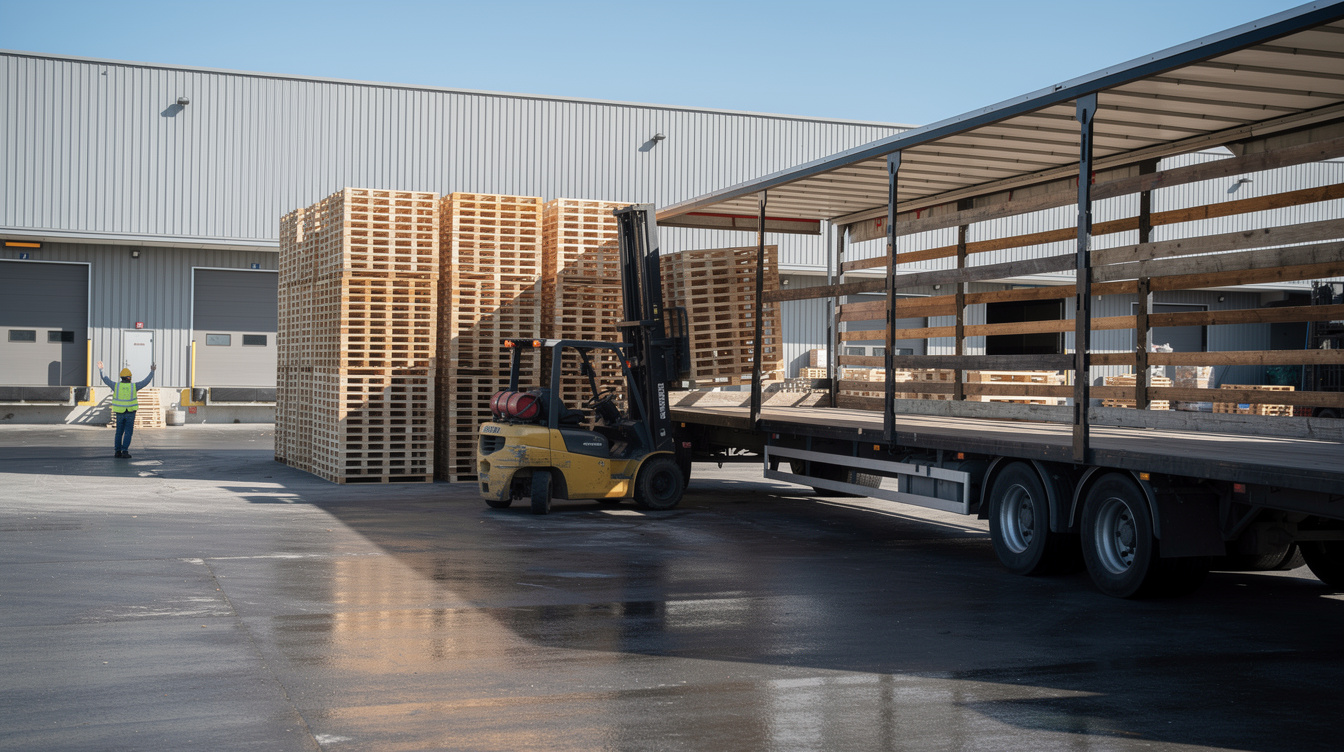
A truck missing its slot during a large vessel call creates cascading problems. The container stays in the yard longer, consuming space needed for subsequent moves. The next truck in queue waits while the dock sits idle. Detention costs accumulate for carriers while terminal operators watch throughput targets slip.
Terminals preparing for larger vessel calls need scheduling systems that eliminate idle dock time automatically. Volmera YMS provides exactly this capability. When a scheduled truck misses its slot, the system instantly pulls the longest-waiting truck in the queue to the empty dock. No manual intervention. No wasted minutes. Throughput stays consistent even when individual trucks fail to arrive on time.
How Terminal Operators Prepare for Expansion-Driven Volume Surges
Smart terminal operators treat yard management systems as prerequisites for infrastructure expansion, not afterthoughts. Real-time visibility into truck positions, container locations, and dock availability allows operations teams to anticipate bottlenecks before they form. Slot booking systems distribute arrivals across time windows that match actual processing capacity.
The Rio Grande expansion will generate approximately 5,000 jobs during construction and permanent operational roles afterward. Those workers need systems that coordinate their efforts efficiently. A yard without scheduling discipline becomes a parking lot where trucks wait and workers improvise. A yard with systematic slot management becomes a synchronized operation where every movement has purpose.
Terminals investing billions in quay infrastructure should ask a direct question: can our yard operations feed those new berths without becoming the constraint? Operators with the right tools already know their answer.