When Rail Capacity Expands 20% at Brazil's Southern Port, Pallet Supply Chains Face Concentrated Demand Spikes


Paranaguá's Rail Expansion Creates Immediate Procurement Pressure for Pallet Buyers
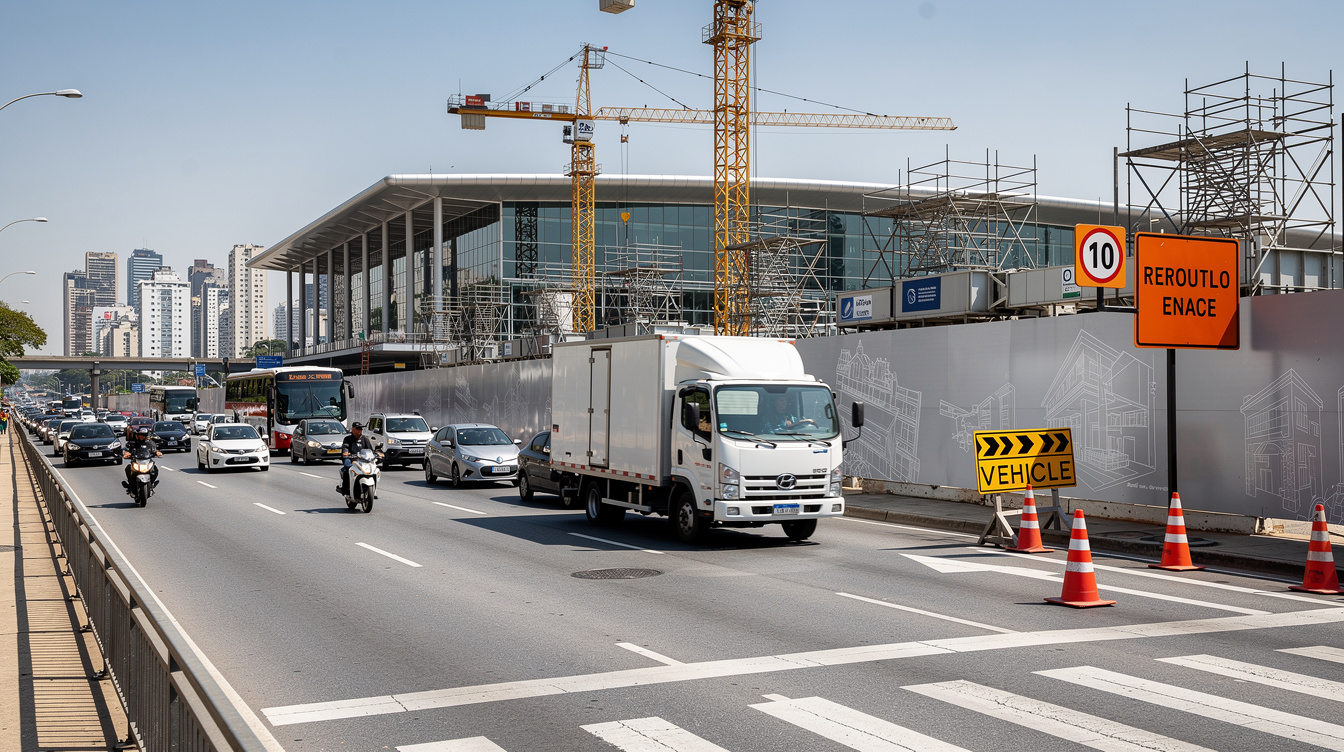
A terminal operator in Paranaguá announced a third rail line that will increase container handling capacity by roughly 20%, enabling annual movement of 66,000 full containers by rail starting in 2027. Pallet buyers connected to export supply chains through this corridor face concentrated demand that traditional procurement channels may struggle to absorb.
The expansion targets refrigerated cargo and paper products flowing from Paraná's agroindustrial hubs. Currently, 55% of rail volume through this terminal consists of refrigerated containers carrying frozen protein for export. When rail capacity jumps and simultaneous train operations begin, the facilities feeding those containers will face compressed loading windows and intensified pallet consumption.
Why Rail Capacity Expansion Amplifies Pallet Procurement Challenges
Rail expansion creates step-function capacity jumps. Demand doesn't increase gradually—it hits connected facilities simultaneously.
When a corridor gains 20% more container capacity, the warehouses, processing plants, and distribution centers feeding that corridor must match the throughput increase or become bottlenecks. Pallet consumption scales directly with container loading rates. Facilities that previously consumed pallets at a steady pace will face periods of concentrated demand as rail schedules compress shipping windows.
Frozen protein processing shows this pressure clearly. Poultry facilities in Cascavel and Cambé already operate on tight cold chain timelines. When rail capacity expands and transit predictability improves, processors will shift more volume to rail. That concentrates pallet needs around train departure schedules rather than spreading consumption across flexible truck dispatch windows.
Paper and cellulose exporters face similar dynamics. Production runs continuously, but outbound logistics synchronize to rail availability. Pallet procurement that previously matched production pace must now match loading surge patterns.
How Smart Operators Secure Pallet Supply Before Capacity Expansions Hit
Operators running high-volume export facilities diversify pallet supply sources before capacity increases activate. Regional pallet manufacturers will face demand surges from multiple facilities simultaneously when the new rail line opens.
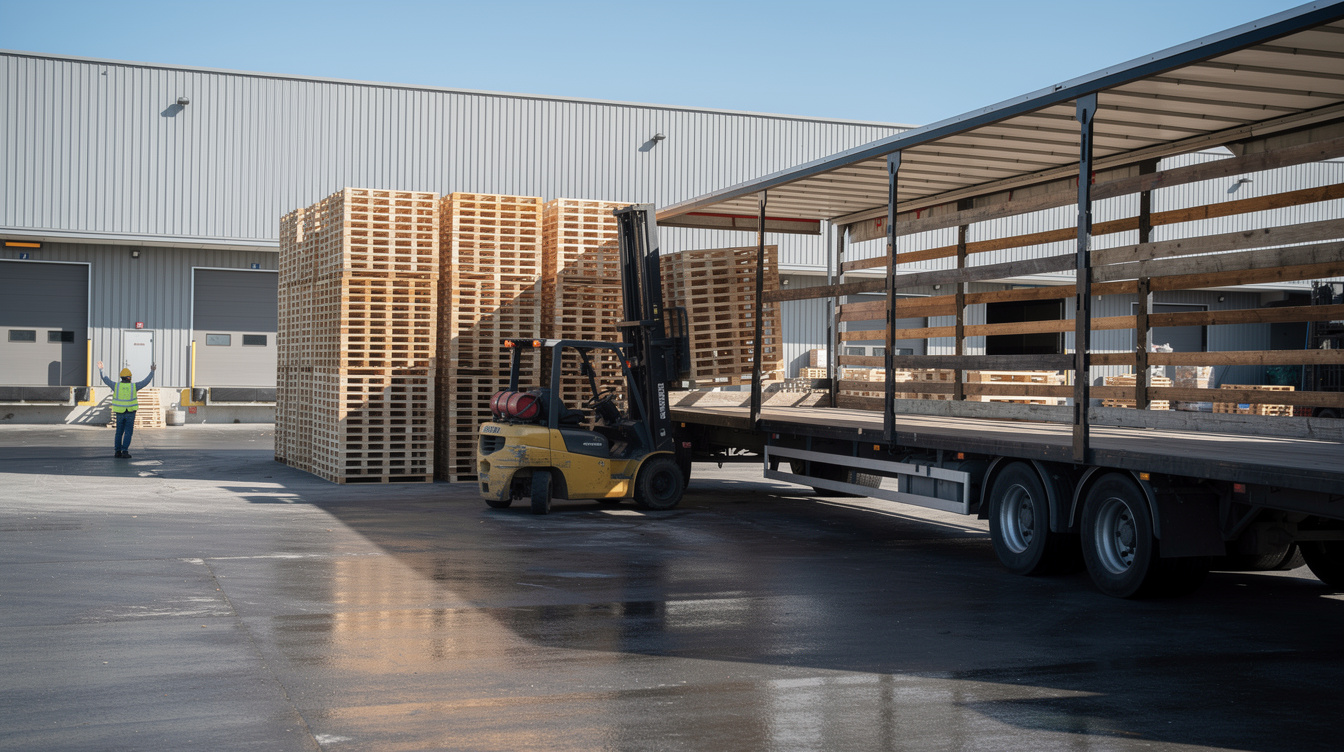
Direct relationships with pallet manufacturers eliminate intermediary delays. These delays become critical during demand spikes. When every facility along the corridor needs pallets for the same rail departure window, buyers dependent on distributors wait in queue. Direct buyers receive priority allocation.
Volmera Pallet Marketplace connects pallet manufacturers directly with buyers, eliminating the intermediary layer that slows procurement during capacity surges. Facilities can identify and qualify multiple regional suppliers before demand concentrates, establishing supply redundancy that prevents single-source dependency.
The platform enables procurement teams to compare manufacturer capacity, lead times, and pricing across the supplier base serving their region. Buyers identify capacity limitations in advance rather than discovering supply constraints during a surge.
Capacity Expansions Reward Prepared Procurement Teams
Paranaguá's rail expansion is infrastructure improvement that separates prepared supply chains from reactive ones. The capacity increase is announced. The timeline is public. The demand concentration is predictable.
Facilities that establish diversified pallet supply relationships now will capture efficiency gains when expanded rail capacity activates. Facilities that wait will compete for constrained supply during the surge.
What procurement relationships is your team building before the next capacity expansion affects your corridor?