When Brazil's Soybean Stocks Hit a Nine-Year High, Pallet Supply Chains Face Unprecedented Storage Pressure


Brazil's soybean ending stocks are forecast to reach 8.24 million tonnes in 2026, the highest level in nine years. Processing facilities and storage operators absorbing this inventory surge will consume pallets at rates that traditional procurement channels cannot sustain.
What Record Soybean Stocks Reveal About Pallet Demand Concentration
The Brazilian Vegetable Oil Industry Association revised its estimates upward after the 2025/26 harvest concluded. Production reached 180.13 million tonnes. Crushing operations will process 62.5 million tonnes domestically. Exports will move 114.1 million tonnes toward ports. The remaining 8.24 million tonnes will sit in storage facilities across producing regions.
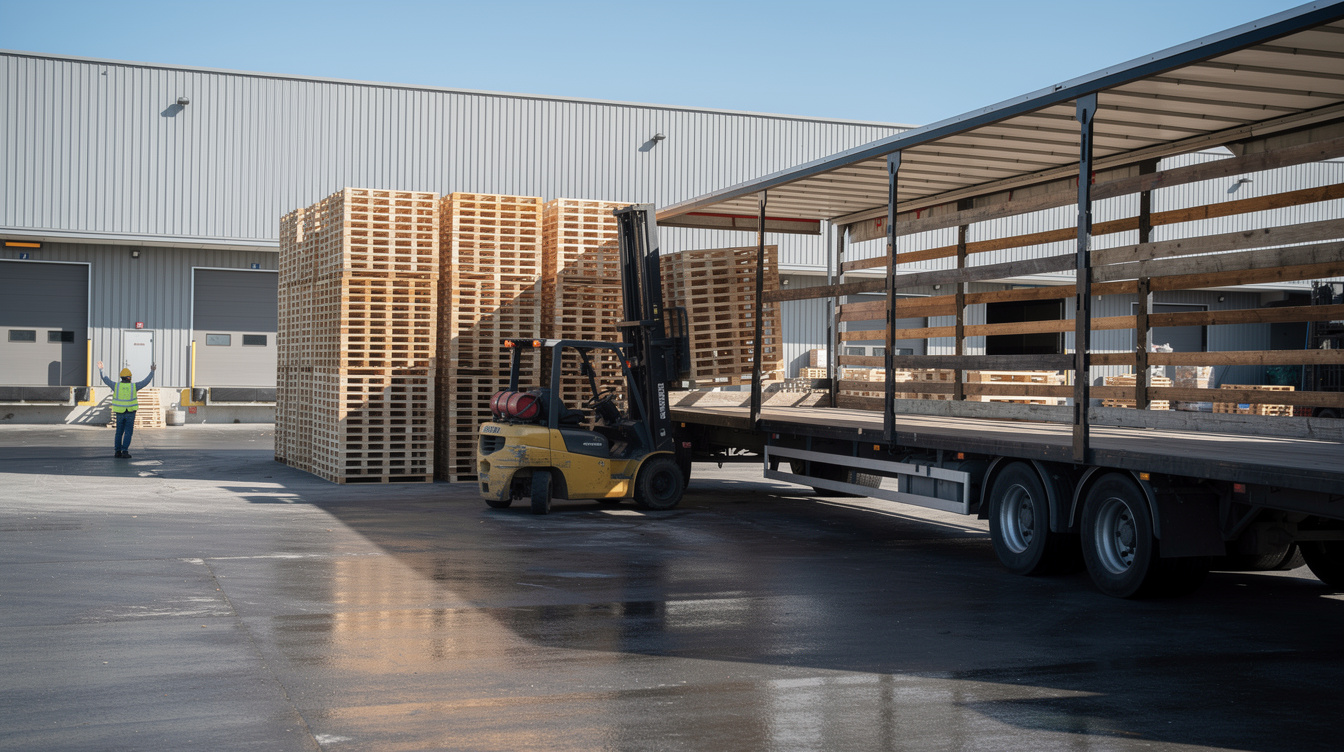
Stored soybeans require palletized handling at multiple points. Bagged product moves onto pallets for warehouse stacking. Processed meal and oil derivatives require pallet support through crushing facilities and distribution networks. When ending stocks jump 21.9% above prior estimates, pallet consumption follows that curve directly.
Why Storage Surges Create Procurement Bottlenecks
Processing facilities operating at record throughput cannot pause operations to negotiate pallet supply. A crushing plant processing 4.99 million tonnes monthly, as March 2026 data showed, consumes pallets continuously. Seasonal procurement contracts signed months earlier may not account for a 21.9% stock increase that emerged after harvest completion.
The timing compounds the problem. Pallet demand spikes when facilities need to store excess inventory, precisely when regional pallet manufacturers face peak demand from multiple buyers simultaneously. Processors competing for limited pallet supply in the same geography encounter price pressure and delivery delays that ripple through production schedules.
Traditional procurement routes involve intermediaries who aggregate demand and mark up accordingly. When multiple facilities chase the same regional supply, intermediary margins widen while availability tightens. Processors absorb those costs or face storage bottlenecks that constrain their ability to capture value from record harvests.
How Direct Manufacturer Access Solves Concentrated Demand
Facilities that connect directly with pallet manufacturers bypass intermediary bottlenecks entirely. Volmera Pallet Marketplace enables processors to source pallets from manufacturers across multiple regions, reducing dependence on local supply constraints during peak demand periods.
Direct connections provide pricing transparency that intermediary models obscure. Buyers see manufacturer pricing without markup layers. Manufacturers gain access to demand they would otherwise lose to aggregators. Both parties benefit from removing friction that serves neither.
Geographic diversification matters when regional supply tightens. A processor in Mato Grosso facing local pallet shortages can source from manufacturers in Paraná or Goiás through the same platform. That optionality did not exist when procurement depended on established intermediary relationships concentrated in single regions.
Storage Pressure Will Persist Through 2026
The 8.24 million tonne stock forecast reflects structural conditions, not temporary surplus. Brazil's crushing capacity continues expanding. Export infrastructure constraints mean some harvest volume will always require interim storage. Facilities managing that storage need pallet supply chains that scale with unpredictable demand.
Operators who established direct manufacturer relationships before harvest season secured supply at stable pricing. Those still dependent on intermediary channels will compete for remaining availability at premium rates.
What does your pallet procurement strategy assume about regional supply availability during peak storage periods?