When Wheat Farmers Lock Their Stockpiles, Downstream Mills Face a Yard Scheduling Crisis

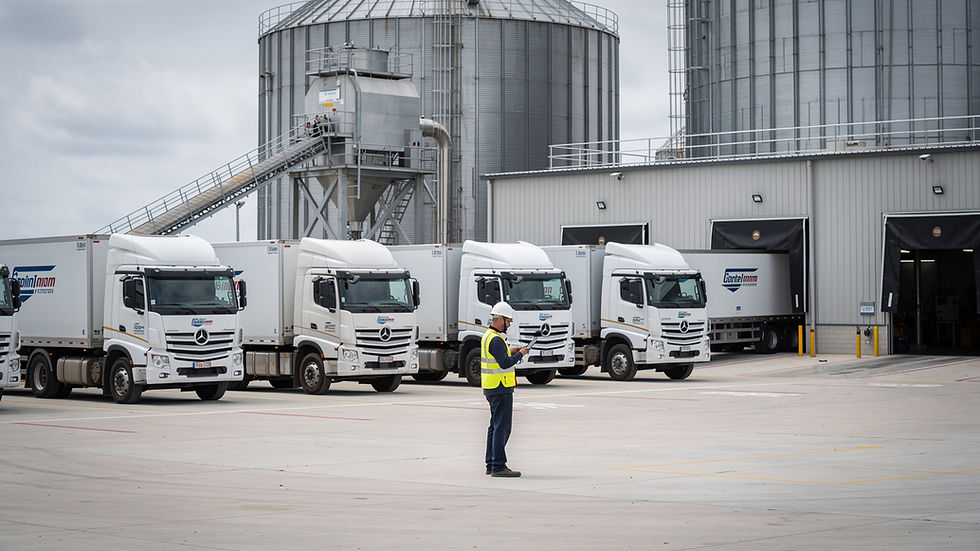
Brazilian wheat farmers are holding back stockpiles as off-season prices surge, forcing mills to compete for unpredictable supply while summer harvest logistics strain the same infrastructure. This retention pattern shifts negotiating power to producers while creating downstream scheduling problems that compound across receiving yards.
Strategic Grain Retention Creates Unpredictable Arrival Patterns
Farmer retention strategies turn steady supply flows into unpredictable bursts that yard operations must absorb first. Mills scrambling to secure grain face a timing problem: supply becomes available in waves rather than the consistent patterns their dock schedules assume.
Summer harvest competition intensifies the infrastructure strain. Trucks serving wheat mills also serve soybean and corn operations, so scheduling failures cascade across commodities and carriers.
The Hidden Cost of Supply Uncertainty
Mills facing supply constraints tend to over-schedule truck arrivals the moment grain becomes available. Securing every possible ton before producers redirect to competitors seems logical. But this approach creates severe bottlenecks at receiving yards.
Trucks arrive in clusters rather than steady flows. Docks designed for consistent throughput become overwhelmed while detention costs accumulate hourly.
When a scheduled truck fails to show because a farmer decided to hold grain another week, that dock sits empty while other trucks idle in the queue. Trucks that miss their mill appointments during peak summer logistics often cannot reschedule for days, compounding the capacity loss.
How Prepared Operations Maintain Flow
Operators who manage supply uncertainty well build systems that respond to disruption automatically rather than relying on manual coordination. Volmera YMS does exactly this through its automatic lineup mechanism.
A scheduled truck that misses its slot triggers an immediate system response. The longest-waiting truck in the queue moves to the empty dock without requiring a dispatcher decision or manual reassignment.
This automatic reallocation matters most when grain finally moves after weeks of retention. Mills with intelligent yard scheduling capture more tonnage per operating hour because they eliminate dead time between appointments. Mills without such systems watch detention costs climb while trucks wait and docks sit underutilized.
Real-time visibility across the yard changes how operations handle competitive harvest periods. Managers who can see exactly which trucks are waiting, which docks are active, and where delays are forming make better slot allocation decisions based on actual capacity rather than fear of missing supply.
Uncertainty Is the Constant
The current wheat squeeze will eventually ease when farmers release stockpiles at peak prices or when storage costs outweigh holding benefits. But supply uncertainty is not unique to this moment or this commodity.
Soybean harvest peaks create similar arrival bursts. Corn logistics compete for the same truck capacity. Every time market conditions shift negotiating power, downstream operations face the same question: can your yard absorb unpredictable arrival patterns without bleeding detention costs and dock efficiency?
The operators answering yes built systems that work precisely because supply is never stable.