When Geopolitical Conflict Elevates a Regional Port, Empty Return Trips Become the Hidden Cost Multiplier

Santa Catarina's Port Gains Strategic Importance as US-Iran Tensions Raise Agricultural Costs
Geopolitical conflict between the United States and Iran is driving energy and input costs higher across Brazil's agricultural supply chain. Santa Catarina's port infrastructure is now a competitive alternative for exporters squeezed on margins. Carriers and shippers face a choice: absorb rising costs or eliminate inefficiencies they previously tolerated.
The cost escalation hits every link. Fuel prices climb. Fertilizer costs increase. Transportation expenses compound. For agricultural exporters already operating on thin margins, these added costs threaten competitiveness in global markets where buyers have alternatives.
Why Cost Pressure Exposes Empty Kilometer Inefficiency
When costs rise across every component simultaneously, operators examine their entire logistics network for savings. Empty return trips shift from accepted overhead to unacceptable waste.
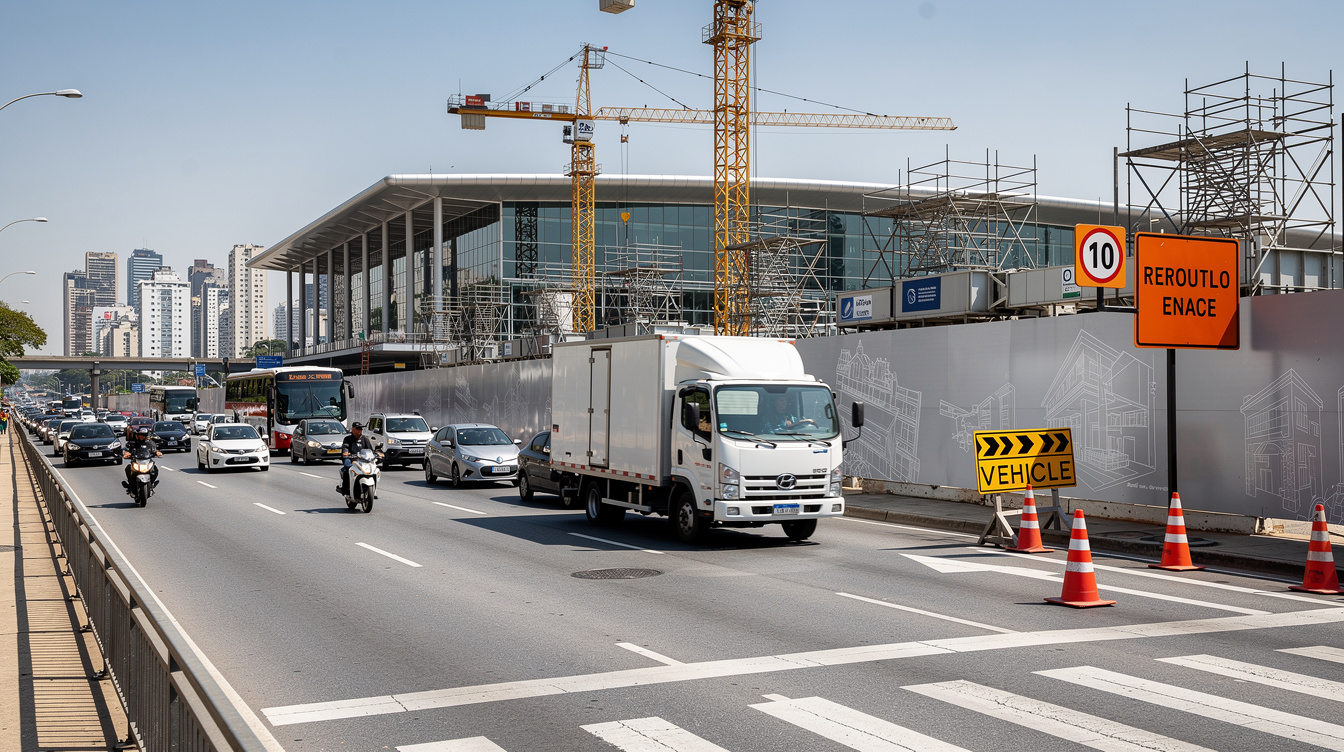
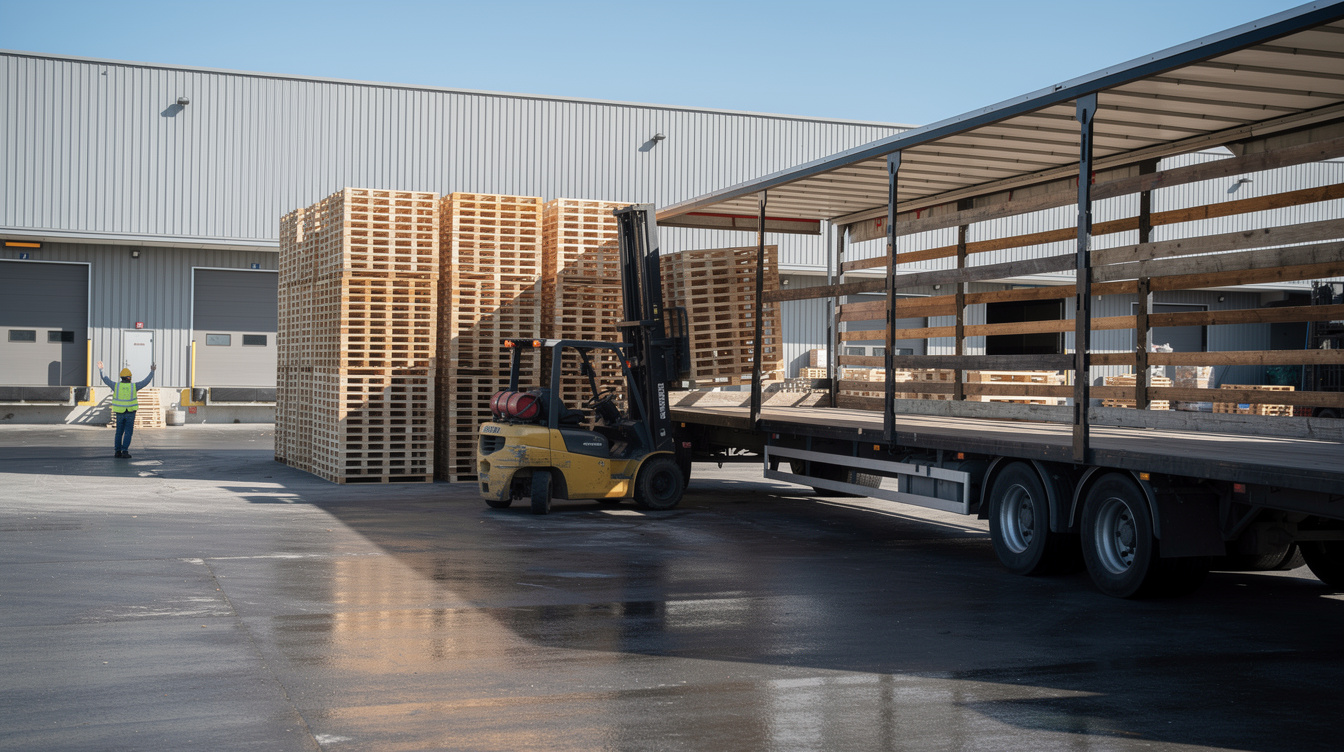
Agricultural corridors show the problem clearly. Trucks carry grain from inland production regions to coastal ports, then return empty to repeat the cycle. When fuel was cheaper, empty kilometers were manageable overhead. When geopolitical events drive fuel costs upward, empty kilometers destroy margins.
The math changes fast. A truck burning fuel on a 600 kilometer empty return at elevated prices transfers that cost directly to the shipper. Thousands of daily movements following this pattern bleed efficiency at precisely the moment the industry can least afford it.
Regional Port Growth Creates Backhaul Opportunities
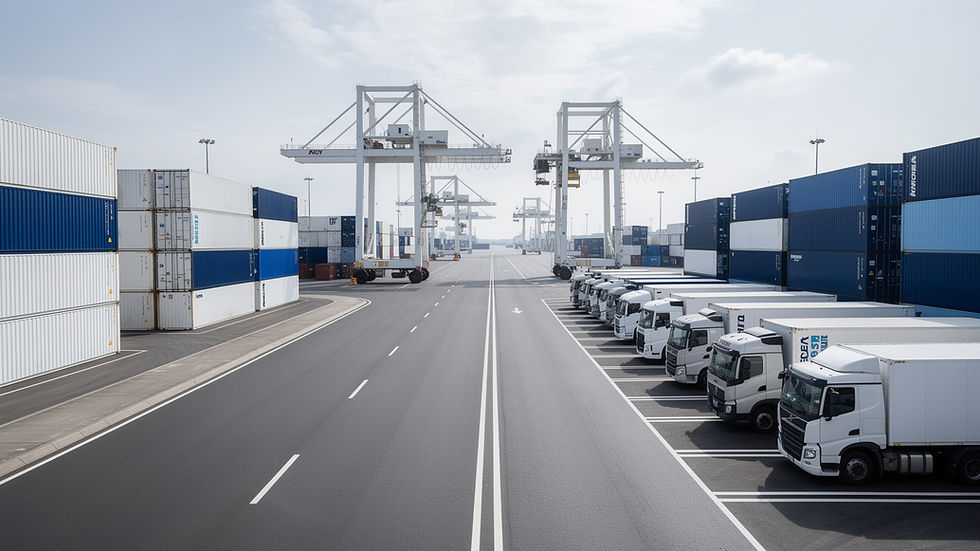
Santa Catarina's rising prominence in agricultural exports creates backhaul opportunities that traditional logistics relationships cannot capture quickly enough. More export volume through regional ports means more trucks arriving at coastal facilities. More arriving trucks means more potential return freight heading inland.
Grain carriers from Mato Grosso delivering to Santa Catarina's port need return freight within hours, not days. Manual broker calls and relationship based matching cannot operate at the speed and scale that cost pressured operations demand.
Volmera Freight Marketplace connects carriers completing deliveries with shippers needing transport in the return direction. Empty kilometers become revenue generating movements. When geopolitical events compress margins across the industry, eliminating empty returns shifts from optimization to survival.
Operators Who Adapt Absorb Cost Shocks Better
Carriers and shippers who treat empty return trips as solvable problems rather than fixed costs will navigate geopolitical cost pressure more effectively than those who accept empty kilometers as inevitable. External cost increases demand internal efficiency responses.
Port infrastructure investments take years. Geopolitical tensions fluctuate unpredictably. Empty kilometer reduction can begin immediately for operators willing to coordinate beyond their traditional networks.
Every logistics operator serving Brazil's agricultural corridors faces the same question: when external costs rise beyond your control, are you capturing every efficiency within your control?